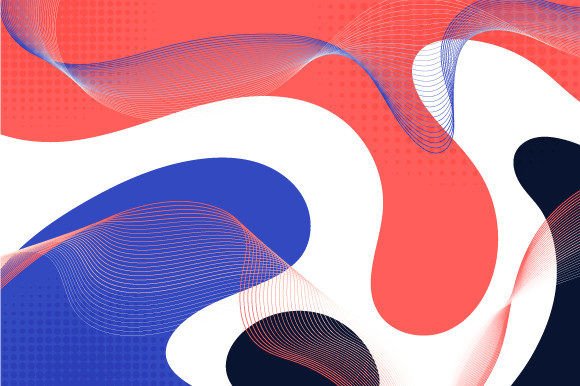
Abstract Artwork Design Decorative Style for Modern Workflows
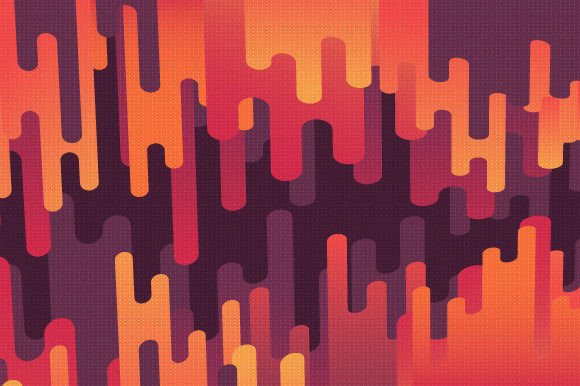
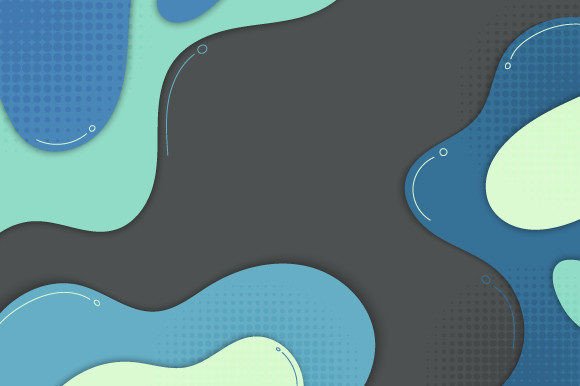
Abstract artwork design decorative style offers a versatile and dynamic approach to visual communication. It blends creativity with functionality, making it an ideal choice for professionals and creators looking to enhance their projects with unique, expressive elements. This style is particularly effective when used in conjunction with minimalistic backgrounds, allowing the boldness of abstract forms to stand out without overwhelming the overall composition.
Understanding Abstract Artwork Design Decorative Style
Abstract artwork design decorative style refers to the use of non-representational shapes, colors, and lines to create visually engaging compositions. Unlike traditional art that aims to depict recognizable subjects, abstract art focuses on form, texture, and color to evoke emotion or convey meaning. When applied as a decorative style, it can serve as a focal point or background element, depending on the design intent.
This style is especially useful in environments where visual interest is needed without distracting from the primary content. It works well in branding, interior design, digital marketing, and editorial layouts. The key to its success lies in balancing complexity with clarity, ensuring that the artwork enhances rather than complicates the message.
Integrating Abstract Artwork into Your Workflow
Abstract artwork design decorative style can be incorporated at various stages of a project. Whether you're planning a new brand identity, designing a website, or creating a marketing campaign, abstract elements can add depth and originality to your work. Here’s how it fits into different phases:
- Pre-Project Planning: Use abstract artwork to brainstorm ideas, visualize concepts, or communicate creative direction to stakeholders.
- During Development: Apply abstract designs as background elements, icons, or graphical accents to maintain visual cohesion across platforms.
- Post-Implementation: Update existing materials with abstract elements to refresh the look or align with new branding guidelines.
When working with abstract artwork, consider how it interacts with other design elements. For example, pairing it with a minimal style artwork background can create a striking contrast that draws attention while maintaining a clean aesthetic.
Practical Applications and Use Cases
Abstract artwork design decorative style is not limited to artistic pursuits—it has practical applications across multiple industries. Here are some common use cases:
- Interior Design: Use abstract prints or wall art to add personality to living spaces, offices, or retail environments. The vibrant colors and fluid forms can transform a plain room into a dynamic area.
- Marketing Materials: Incorporate abstract graphics into brochures, social media posts, or advertisements to capture attention and differentiate your brand.
- Web and App Design: Abstract elements can be used as background textures, buttons, or interactive components to enhance user experience without cluttering the interface.
- Product Packaging: Abstract artwork adds a modern, eye-catching touch to packaging, making products more appealing to consumers.
By understanding the context in which abstract artwork will be used, you can tailor its application to suit specific needs and goals.
Technical Considerations for Abstract Artwork
When working with abstract artwork, especially in a professional setting, technical details matter. High-resolution files ensure that the artwork looks sharp and clear at any size. For instance, an illustration resolution of 300 dpi is essential for print projects, while digital formats like JPEG or EPS provide flexibility for online use.
The fact that this graphic is created in pure vector format means it can be scaled without losing quality. This makes it ideal for projects that require adjustments in size, shape, or color. Whether you’re resizing a logo for a business card or modifying a background for a website, vector-based artwork ensures consistency and precision.
Additionally, the availability of ZIP files containing EPS10 and JPEG versions provides users with options for different workflows. The EPS file allows for advanced editing in design software, while the JPEG version is suitable for quick sharing or embedding in digital documents.
Ensuring Quality and Consistency
When integrating abstract artwork into your workflow, maintaining quality and consistency is crucial. Start by selecting high-quality artwork that aligns with your brand or project goals. Avoid low-resolution images or poorly designed graphics that may compromise the overall look.
Consider the following tips for optimal results:
- Review File Formats: Ensure that the artwork is provided in the correct format for your intended use. Vector files are best for scalability, while raster files like JPEG are suitable for web and screen display.
- Check for Watermarks: Always confirm that the purchased file is provided without a watermark to avoid issues during final output.
- Test Across Platforms: Preview the artwork on different devices and backgrounds to ensure it looks good in all contexts.
- Organize Assets: Keep your design files organized so that abstract artwork can be easily accessed and applied in future projects.
By taking these steps, you can ensure that abstract artwork enhances your work rather than detracts from it.
Long-Term Use and Adaptability
One of the advantages of abstract artwork design decorative style is its adaptability over time. As trends evolve, the versatility of abstract designs allows them to remain relevant and functional. Whether you’re updating a website, rebranding a company, or redesigning a product, abstract artwork can be modified to fit new requirements.
Moreover, the ability to adjust color, shape, and size makes it easier to align the artwork with changing aesthetics or branding strategies. This flexibility supports long-term use and reduces the need for frequent replacements or revisions.
For businesses and creatives, this means that investing in high-quality abstract artwork can provide ongoing value. By choosing artwork that is both visually appealing and technically sound, you can build a library of assets that support multiple projects and campaigns.