Enhancing Brand Identity with the Decorative Classic Calligraphy Element
In an era dominated by digital aesthetics and minimalist design, there's a growing appreciation for handcrafted elements that evoke history, artistry, and individuality. One such element gaining attention is the Decorative Classic Calligraphy Element. This unique visual component blends traditional calligraphic styles with decorative enhancements to create compelling designs that resonate across various industries—from branding and marketing to lifestyle and technology. As professionals and creators seek ways to differentiate their work in crowded markets, the Decorative Classic Calligraphy Element offers both beauty and strategic value.
What Is the Decorative Classic Calligraphy Element?
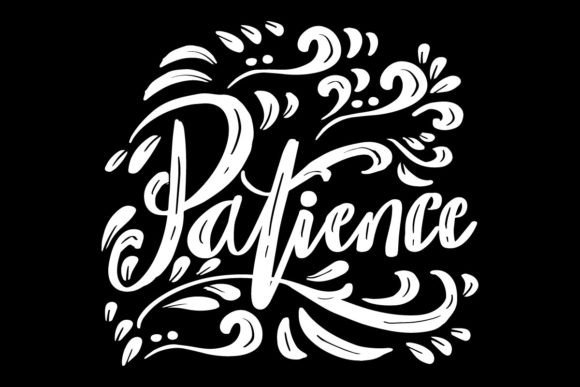
The Decorative Classic Calligraphy Element refers to a stylized typographic or graphic feature inspired by historical calligraphy techniques, enhanced with ornamental details. It often includes flourishes, serifs, ligatures, and intricate line work that reflect the elegance of handwritten scripts from different cultures and time periods. These elements are frequently used as logos, headers, dividers, or accents in print and digital media, helping to communicate a sense of sophistication, heritage, and exclusivity.
Available in formats like EPS, JPG, SVG, and transparent PNG, this element can be easily integrated into a wide range of design projects. Its versatility allows it to maintain clarity and impact whether displayed on a high-resolution billboard or a mobile screen. The use of vector-based file types ensures scalability without loss of quality, making it ideal for designers who require adaptability across platforms.
Aesthetic and Functional Relevance in Modern Design
Designers and marketers today are not just creating visuals—they're crafting experiences. The Decorative Classic Calligraphy Element plays a crucial role in this process by adding a layer of emotional resonance to a brand or product. In creative fields such as graphic design, packaging, and editorial layout, these elements help establish a tone that feels timeless yet relevant.
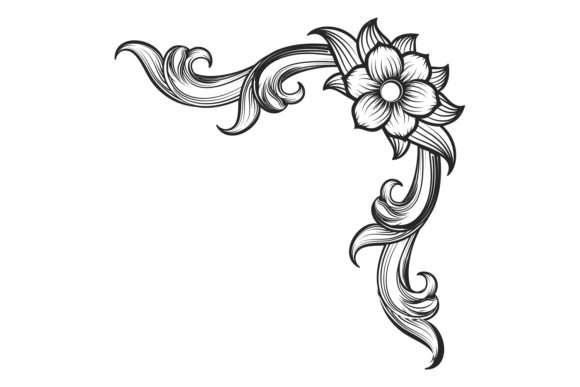
For example, in luxury branding, the inclusion of a vintage-style calligraphy divider isolated on a white background can elevate the perceived value of a product. Similarly, in wedding invitations or event design, the soft curves and ornate embellishments of calligraphic elements contribute to an atmosphere of celebration and elegance.
Connecting with Nostalgia and Authenticity
Modern consumers are increasingly drawn to authenticity and storytelling. The Decorative Classic Calligraphy Element taps into this trend by evoking a sense of nostalgia and craftsmanship. Unlike mass-produced fonts, calligraphic designs carry the imprint of human touch, which can foster deeper connections with audiences seeking genuine, meaningful interactions with brands and content.
This is especially true in the wellness and lifestyle sectors, where many companies leverage vintage and artisanal aesthetics to convey natural, holistic values. A logo incorporating calligraphic lettering might suggest a handmade, small-batch product rather than something factory-made. The same applies to stationery lines, book covers, and even app interfaces—where a subtle calligraphic accent can make all the difference in user perception.
Integration into Industry Trends
The rise of the Decorative Classic Calligraphy Element aligns with broader shifts in the creative industry toward hybrid aesthetics—blending analog warmth with digital precision. As more entrepreneurs and freelancers adopt multi-channel marketing strategies, they need visual assets that can seamlessly transition between physical and online spaces. This element provides exactly that, maintaining its charm and legibility regardless of medium.
Its popularity is also supported by the increasing demand for customizable design components. With scalable vector graphics (SVG) and editable EPS files, professionals can tweak colors, spacing, and strokes to match brand guidelines or seasonal themes. This level of customization makes it a powerful tool in dynamic creative workflows where flexibility is key.
Practical Applications Across Markets
- Brand Identity: Startups and established businesses alike use calligraphic elements to define their visual language. Whether it’s part of a logo or a tagline, it helps create a memorable and distinctive presence.
- Marketing Materials: From business cards to brochures, calligraphy adds a personal touch that stands out in professional communications. A well-designed calligraphic header can capture attention and reinforce brand personality.
- Interior and Web Design: The Decorative Classic Calligraphy Element is frequently used in website headers, social media banners, and interior signage to add character and depth to otherwise clean layouts.
- Lifestyle and Fashion: Vintage-inspired fashion labels, boutique hotels, and artisanal product lines incorporate calligraphy to highlight their curated, bespoke nature.
Why the Decorative Classic Calligraphy Element Is Gaining Traction
Several factors are contributing to the rising interest in the Decorative Classic Calligraphy Element. First, the evolution of design software has made it easier than ever to access and manipulate these assets. Tools like Adobe Illustrator and Photoshop allow designers to integrate, colorize, and animate calligraphic elements with minimal effort, expanding their potential uses beyond static print.
Second, the growing emphasis on personalization in consumer goods and services has created new opportunities for calligraphy. In a world where cookie-cutter solutions are common, businesses are turning to unique visual identifiers to stand out. A calligraphic element can serve as that signature mark of distinction, particularly in niches like stationery, event planning, and fine arts.
Third, cultural movements celebrating heritage and tradition have brought renewed attention to historical design practices. Many brands now aim to honor local or global histories through their visuals. For instance, a coffee shop chain may use a calligraphic emblem inspired by 19th-century typography to emphasize its roots in classic café culture.
Changing Preferences and Expectations
Consumers and clients are no longer satisfied with generic templates. They expect originality and thoughtfulness in every interaction. This shift has led to a renaissance of hand-drawn and handcrafted elements in design, including the Decorative Classic Calligraphy Element. Marketers and entrepreneurs recognize that such elements can enhance engagement and trust by conveying a sense of care and intentionality.
Freelancers and independent creators also benefit from using these elements to showcase their style and professionalism. In competitive markets, having a signature aesthetic can significantly boost visibility and client retention. By consistently using a calligraphic motif across portfolios, social media, and promotional materials, creatives build a recognizable identity that sets them apart.
Observations from Real-World Use
Many successful campaigns and products have leveraged the Decorative Classic Calligraphy Element to great effect. Consider a recent luxury skincare brand launch that featured a calligraphic nameplate in its packaging. The element was printed on gold foil and paired with minimalist white backgrounds, resulting in a look that felt both opulent and modern. This blend of old-world charm and contemporary simplicity helped the brand gain traction among affluent consumers who appreciate refined aesthetics.
In another case, a boutique wedding planner incorporated a vintage divider in SVG format into their website and brochure designs. The divider acted as a subtle separator between sections, guiding the viewer through the content while maintaining a cohesive theme. Clients praised the elegant, handcrafted feel of the materials, which contributed to the overall appeal of the brand’s offerings.
These examples demonstrate how the Decorative Classic Calligraphy Element isn't just about looks—it's about creating an experience that resonates emotionally and visually. When used effectively, it becomes more than a design choice; it's a strategic one.
Adapting to Digital Workflows
One of the most notable advantages of the Decorative Classic Calligraphy Element is its compatibility with modern digital workflows. Designers working on responsive websites, mobile apps, or e-commerce platforms can use SVG versions of the element to ensure crisp rendering at any size. Transparent PNG files offer additional flexibility, allowing seamless integration over photographs or textured backgrounds without overwhelming the composition.
Moreover, the ability to edit these elements in vector formats means they can be adapted quickly to suit evolving brand needs. If a company decides to refresh its visual identity, it can modify the calligraphy’s stroke weight, curvature, or embellishments instead of starting from scratch. This adaptability is invaluable in fast-paced industries where staying current is essential but losing brand essence is not acceptable.
Bridging Tradition and Innovation
While the Decorative Classic Calligraphy Element is rooted in traditional calligraphy, its application in modern contexts shows how ancient art forms continue to evolve. Technology enables these designs to be preserved, replicated, and enhanced in ways that were previously impossible. High-quality scans and digital reproductions allow for consistent use across multiple channels, ensuring that the charm of handcrafted calligraphy remains intact in a digital-first world.
This fusion of past and present reflects a larger trend in the creative industry: the desire to innovate while honoring legacy. As AI tools and automated design systems become more prevalent, the demand for uniquely crafted elements like calligraphy grows stronger. These assets remind us of the enduring value of human creativity and artistry in a machine-driven landscape.
Opportunities for Entrepreneurs and Freelancers
For entrepreneurs and freelancers, the Decorative Classic Calligraphy Element presents an opportunity to elevate their work and attract niche audiences. Small businesses in particular can benefit from using these elements to craft a visual identity that feels exclusive and authentic. A local bakery, for instance, might use a calligraphic logo to emphasize its artisanal approach and community focus.
Freelancers can also market themselves by showcasing their ability to creatively apply such elements. A designer who specializes in integrating vintage calligraphy into modern branding projects can position themselves as a go-to expert for clients looking to balance innovation with tradition. This skill set is increasingly valuable in markets where differentiation is difficult and first impressions matter.
Looking Ahead: What the Future Holds
As we move further into the digital age, the Decorative Classic Calligraphy Element is likely to remain a popular choice for those seeking to infuse their work with character and depth. Its relevance will depend on continued innovation in how it’s applied—whether through interactive web animations, augmented reality experiences, or personalized print-on-demand products.
Additionally, cross-industry collaborations are expected to expand its reach. Think of a tech startup partnering with a calligraphy artist to create a branded font for their app interface. Or a fashion brand using calligraphic motifs in textile patterns and packaging. These integrations not only enrich the final product but also open new revenue streams for designers and artists.
Best Practices for Implementation
- Balance Detail with Readability: While the element is decorative, it should still support the message. Avoid excessive ornamentation if it compromises clarity.
- Maintain Consistency: Use the same calligraphy style across all touchpoints to build a strong, unified brand identity.
- Consider Context: Match the tone of the calligraphy to the audience and purpose. A bold, elaborate script may be appropriate for a wedding invitation but too much for a corporate report.
- Test Across Platforms: Ensure the element works well on different screens and in both color and black-and-white formats.
Conclusion
The Decorative Classic Calligraphy Element is more than just a design trend—it’s a versatile tool that bridges the gap between tradition and modernity. Its ability to convey authenticity, elegance, and uniqueness makes it a valuable asset for professionals, creators, and entrepreneurs striving to leave a lasting impression. As industries continue to prioritize emotional connection and brand storytelling, this element will play an increasingly important role in shaping visual communication.
Whether you're designing a luxury brand identity or enhancing a digital portfolio, consider how the Decorative Classic Calligraphy Element can bring your vision to life. With thoughtful application and strategic integration, it can transform ordinary designs into extraordinary experiences that resonate with your audience.