Ornate Flourish Corner: The Timeless Appeal of Decorative Vinta in Modern Design
In the world of design, where aesthetics and functionality often walk hand in hand, elements like the ornate flourish corner have found a special place. These intricate, decorative details—often associated with vintage and classical styles—are not just visual embellishments; they are powerful tools that convey elegance, sophistication, and a sense of timelessness. One such element is the Decorative Vinta, which has become increasingly popular among professionals and enthusiasts alike for its ability to elevate both digital and physical content.
The Origins and Evolution of Ornate Flourishes
Flourishes have their roots in calligraphy and manuscript illumination, dating back centuries when scribes used elaborate strokes to decorate important texts. Over time, these flourishes evolved into more stylized forms, becoming synonymous with luxury and artistry. Today, an ornate flourish corner serves as a symbolic nod to this heritage, blending traditional craftsmanship with contemporary design sensibilities.
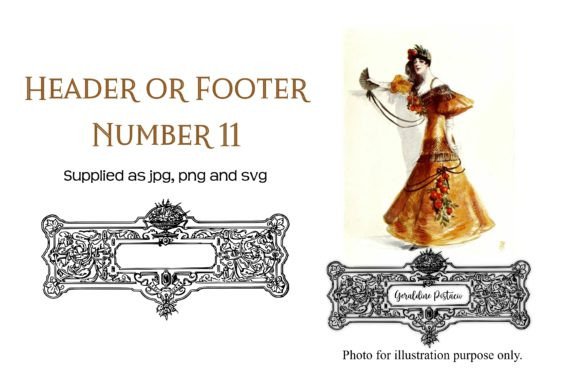
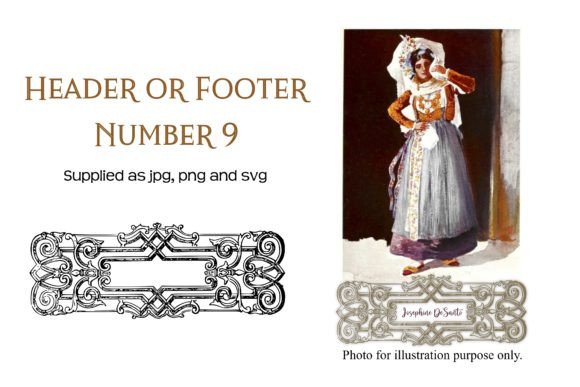
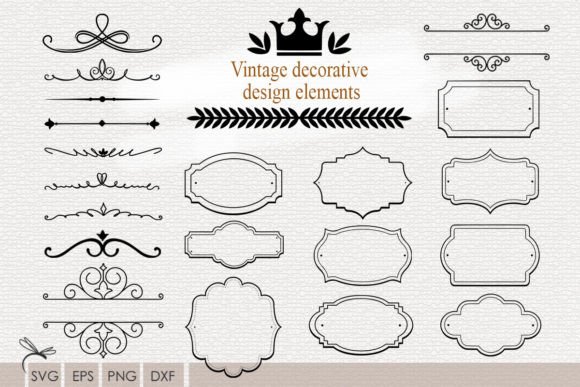
The Decorative Vinta is a modern interpretation of these classic ornate corners. It typically features swirling patterns, floral motifs, or scroll-like designs, often rendered in high-resolution formats such as EPS, JPG, SVG, and transparent PNG. This versatility allows it to be adapted across various platforms—from print media to web design—without losing its charm or clarity.
Key Characteristics of the Decorative Vinta
- Elaborate Detailing: The Decorative Vinta is known for its intricate lines and patterns, which add depth and character to any composition.
- Vintage Aesthetic: It draws inspiration from historical design elements, making it ideal for projects that aim to evoke nostalgia or classic beauty.
- Isolated on White Background: Most versions of the Vinta are provided isolated on a white background, allowing for easy integration into different layouts and themes.
- Vector Compatibility: With support for vector formats like SVG and EPS, designers can scale the Vinta without compromising quality, ensuring crisp edges at any size.
- Transparency Options: Transparent PNG files enable seamless layering over photographs, textures, or other graphics, preserving the focus on the main content while enhancing visual appeal.
Applications Across Industries
The adaptability of the Ornate Flourish Corner makes it suitable for a wide range of applications. In graphic design, it is commonly used to frame quotes, certificates, invitations, and book covers. Educators might use it to highlight key sections in course materials or presentations. Business owners leverage it to create visually appealing marketing collateral that stands out in a competitive market.
For creators working in video editing or animation, the Decorative Vinta can serve as a transition effect or border element, adding a touch of refinement to titles and lower thirds. Researchers may incorporate it into academic posters or infographics to draw attention to specific findings or sections without overwhelming the reader with information.
Advantages of Using Decorative Vinta Elements
- Visual Hierarchy Enhancement: By framing or underlining key points, the Vinta helps guide the viewer’s eye and emphasizes important content.
- Brand Differentiation: Businesses aiming to establish a unique identity can use the Vinta to create a signature look that reflects elegance and tradition.
- Historical and Cultural Relevance: The use of vintage-style elements like the Vinta can connect a project to broader cultural narratives, especially in branding or storytelling contexts.
- Cross-Platform Consistency: Available in multiple file formats ensures compatibility with both print and digital workflows, maintaining visual integrity across mediums.
- Customizability: The Vinta can be recolored, resized, or modified to suit the tone and style of any project, offering flexibility without sacrificing quality.
Real-World Use Cases and Examples
Consider a wedding invitation designer who wants to give a timeless feel to their creations. By incorporating an ornate flourish corner with a Decorative Vinta motif, they can craft a piece that feels both elegant and personal. Similarly, a brand launching a new line of artisanal products might use the Vinta in packaging designs to suggest craftsmanship and exclusivity.
In educational settings, a teacher designing a poster for a history class could utilize the Vinta to frame a timeline or significant event, drawing students’ attention and reinforcing the importance of the subject matter. Its presence adds a subtle but effective layer of gravitas to the presentation.
Researchers presenting data at a conference might also find value in using the Vinta. Placing it around charts or graphs can help differentiate them from standard visuals, signaling that the information is particularly noteworthy or curated with care.
Design Considerations and Best Practices
While the Decorative Vinta is undeniably beautiful, its use should be intentional and balanced. Here are some considerations to keep in mind when integrating it into your work:
- Scale Appropriately: Ensure the size of the Vinta complements the overall layout. Oversizing can distract, while undersizing may render it ineffective.
- Maintain Readability: When using the Vinta in text-heavy designs, avoid placing it in areas that obscure legibility. It should enhance—not hinder—information delivery.
- Color Harmony: Choose colors that align with your brand palette or the mood of the project. Monochrome versions offer subtlety, while vibrant hues can make a bold statement.
- Repetition Control: Use the Vinta sparingly to maintain its impact. Too many instances can dilute its effectiveness and overwhelm the viewer.
- Format Selection: For print projects, prefer vector formats like EPS or SVG for scalability. Digital projects benefit from transparent PNGs or SVGs to preserve clarity and reduce file bloat.
Integrating the Vinta into Digital Workflows
With the rise of digital content creation, the Decorative Vinta has become a staple in software like Adobe Photoshop, Illustrator, Canva, and Figma. Designers appreciate how easily it can be imported and manipulated within these environments, enabling creative experimentation while maintaining professional standards.
For those working with web-based platforms, SVG versions of the Vinta provide scalable and responsive design options. They can be embedded directly into HTML code, animated via CSS, or used as overlays in layered compositions. Transparent PNG files, on the other hand, are ideal for social media templates, email headers, and website banners, where clean edges and minimal background interference are essential.
Creators in motion graphics often turn to the Vinta as a stylistic accent in title sequences or scene transitions. Its ornate nature provides a natural flow between segments, helping to maintain continuity and visual rhythm.
Comparing Vinta Styles and Formats
Not all Vinta elements are created equal. Depending on the project, you may choose between a minimalist version or one that’s densely patterned. Similarly, the choice of format depends on the intended use. Here’s a quick comparison:
- EPS: Best for print and large-scale reproductions due to its vector-based structure.
- JPG: Suitable for simple backgrounds and non-scalable designs, especially where color fidelity is crucial.
- SVG: Ideal for digital use, animations, and responsive web design because it maintains quality at any resolution.
- Transparent PNG: Perfect for overlaying on complex or textured backgrounds, as it retains transparency and sharpness.
Each format brings something unique to the table, and understanding these differences allows for better decision-making during the design process. The right choice enhances both the visual appeal and technical performance of the final product.
Trends and Future Relevance of the Decorative Vinta
As design trends continue to evolve, there is a growing appreciation for vintage aesthetics and handcrafted elements. The Decorative Vinta is part of this resurgence, appearing frequently in retro-inspired campaigns, luxury branding, and even in minimalist designs as a contrast element.
Designers are experimenting with combining the Vinta with modern typography, abstract shapes, and digital gradients to create fresh, hybrid styles. This trend highlights the enduring relevance of ornate elements in a rapidly changing visual landscape. As long as there is a demand for distinctive, high-quality design assets, the Vinta will remain a go-to resource for those looking to blend tradition with innovation.
Moreover, with the increasing use of AI in design generation, manually crafted elements like the Vinta offer a human touch that algorithms struggle to replicate. Their uniqueness and artistic complexity position them as valuable assets in the quest for originality.
Practical Tips for Selecting the Right Vinta
When choosing a Decorative Vinta for your project, consider the following tips to ensure it aligns with your goals:
- Define Your Purpose: Are you using it for emphasis, framing, or simply for aesthetic value? Clarifying its role helps in selecting the appropriate style.
- Match the Tone: A heavily detailed Vinta might suit a formal document, while a simpler version works better for casual or modern interfaces.
- Test Across Platforms: Before finalizing, preview the Vinta in the intended environment—whether digital or print—to ensure it functions well and looks consistent.
- Seek High-Quality Sources: Always obtain the Vinta from reputable design libraries or stock image sites to guarantee clean vectors and accurate rendering.
- Stay Updated: Keep an eye on design communities and resources to discover new variations and uses for the Vinta, adapting to current trends and preferences.
By thoughtfully applying these principles, you can maximize the effectiveness of the Ornate Flourish Corner in your work, whether you're crafting a logo, a promotional flyer, or a custom illustration.
Conclusion
The Ornate Flourish Corner featuring a Decorative Vinta remains a versatile and impactful design element. Its rich history, combined with modern adaptability, makes it relevant across industries and mediums. Whether you’re a professional designer, educator, researcher, or hobbyist, understanding how to effectively use and integrate the Vinta can significantly enhance your creative output.
By appreciating its characteristics, considering its application context, and adhering to best practices, you can harness the power of the Decorative Vinta to create compelling, memorable, and aesthetically pleasing content. As design continues to evolve, the Vinta stands as a testament to the enduring allure of detail and craftsmanship in visual communication.