Decorative Corner in Ornate Floral Filigree: A Timeless Design Element for Elegance and Sophistication
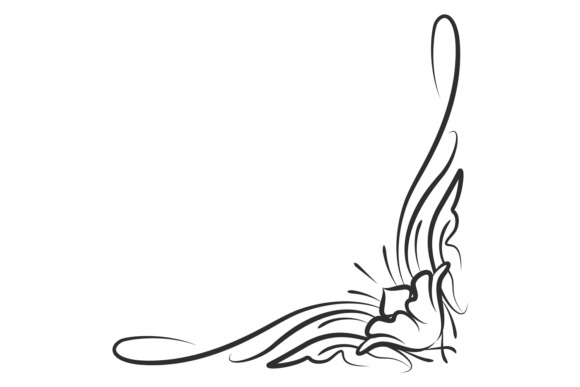
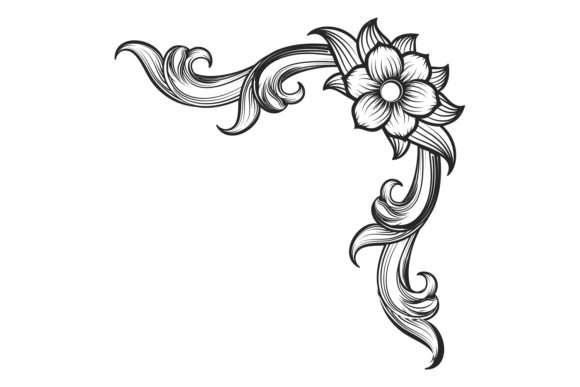
A Decorative Corner in Ornate Floral Filigree is a design motif that captures the essence of vintage aesthetics through intricate, delicate patterns. Typically found in architectural elements, artwork, or digital assets like EPS, JPG, SVG, and transparent PNG files, this style evokes a sense of refinement and historical charm. The term refers to a corner detail — often an ornamental border or edging — that features floral motifs interwoven with filigree-like lines. These designs are popular in graphic design, interior decoration, and visual arts, where they add a touch of elegance and visual interest.
Understanding the Characteristics of Ornate Floral Filigree
The ornate floral filigree style is defined by its complexity and artistry. Unlike simpler borders or flat decorative elements, it incorporates layered floral patterns with fine, lace-like detailing. The filigree work suggests a handcrafted origin, even when digitally rendered, giving the impression of age and tradition. When applied to corners, these designs often serve as focal points, drawing attention to the edges of frames, panels, or other design spaces.
What makes a Decorative Corner in Ornate Floral Filigree distinct from other ornamental styles is its emphasis on natural forms and symmetry. While baroque or rococo styles might also feature elaborate details, the filigree version leans into a more refined and intricate approach. This design element is particularly effective in creating a vintage ambiance, making it ideal for themes such as antique interiors, wedding invitations, fashion illustrations, or classic book covers.
Comparing Ornate Floral Filigree with Other Decorative Styles
When selecting a decorative corner for your project, it's important to consider how it aligns with the overall aesthetic. Here’s how the Ornate Floral Filigree stacks up against similar styles:
- Minimalist Borders: These focus on simplicity and clean lines, lacking the complexity of floral filigree. They may be better suited for modern or contemporary projects but fall short if you're aiming for a nostalgic or richly detailed look.
- Geometric Patterns: Offer structure and clarity, often used in modern or abstract designs. However, they don’t provide the same warmth or traditional appeal as floral filigree.
- Scrolled Baroque Corners: More grandiose and heavy in form, suitable for formal settings. In contrast, the Ornate Floral Filigree is lighter and more organic, fitting well into both casual and formal contexts without overwhelming the design space.
- Modern Embellishments: Tend to use bold colors and simplified shapes. The vintage-style nature of floral filigree makes it stand out as a softer alternative that still conveys sophistication.
Strengths of Using a Decorative Corner in Ornate Floral Filigree
This design element offers several advantages depending on the application:
- Versatility Across Formats: Available in high-quality formats like EPS, JPG, SVG, and transparent PNG, it can be adapted for both print and digital media, ensuring crisp edges and scalability without loss of quality.
- Ease of Integration: Because of its isolation on a white background, the Ornate Floral Filigree corner can be easily incorporated into various layouts, whether you're working with a website header, a product label, or a greeting card template.
- Timeless Appeal: The vintage feel of this style ensures it remains relevant across different trends, especially in niche markets such as luxury branding, heritage-themed events, or artisanal crafts.
- Attention to Detail: The complex yet balanced composition of floral and filigree elements adds depth and character, enhancing the perceived value of any design it accompanies.
Tradeoffs and Limitations to Consider
While the Ornate Floral Filigree has many strengths, there are some limitations to keep in mind:
- Overwhelming Simpler Designs: If your layout is minimalistic or needs to communicate a straightforward message, adding an ornate corner might distract rather than enhance the overall composition.
- Color Constraints: The typical black-line or monochrome presentation may not suit every color scheme. Customization could be necessary for those looking to match brand palettes or specific themes.
- Complexity in Reproduction: For physical applications like embroidery or laser cutting, the level of detail in the filigree can make reproduction technically challenging, requiring higher precision tools or skilled artisans.
- Not Universally Appropriate: Though beautiful, this style may not resonate with all audiences. Contemporary or tech-savvy demographics might prefer cleaner, more modern alternatives.
Best-Fit Situations for the Decorative Corner in Ornate Floral Filigree
Here are some scenarios where the Ornate Floral Filigree corner is likely to be the best choice:
- Invitation Design: Wedding or event invitations benefit from the romantic and elegant undertones of this style. It helps set a classic tone while maintaining visual appeal.
- Interior Decoration: Use in wall hangings, mirrors, picture frames, or furniture accents to create a cozy, vintage-inspired room.
- Luxury Branding: High-end products, packaging, or logos can incorporate this design to evoke exclusivity and craftsmanship.
- Artistic Projects: From book illustrations to fabric prints, the filigree corner serves as a subtle yet impactful frame for creative content.
- Print Media: Brochures, posters, or calendars that aim to reflect a traditional or romantic theme often use this motif to great effect.
When to Choose an Alternative Option
If your design goals lean toward modernity, functionality, or accessibility, you might find this style less suitable. Consider alternatives such as:
- Flat Vector Graphics: These offer clean, scalable lines without added ornamentation. Perfect for logos or UI components where readability is key.
- Abstract Borders: Provide a unique flair without relying on traditional motifs. Great for artistic expression in unconventional contexts.
- Hand-Drawn Sketches: Ideal for a more personal or whimsical look, which may contrast with the structured beauty of filigree.
- Photographic Elements: Realistic images or textures can sometimes convey the same elegance without the stylized intricacy of filigree.
How to Source and Apply the Decorative Corner in Ornate Floral Filigree
To utilize a Decorative Corner in Ornate Floral Filigree effectively, start by sourcing it in the right format. Most digital assets come in multiple versions, including:
- EPS (Encapsulated PostScript): Best for print materials and vector-based editing. Allows for full customization of colors and sizes.
- JPG: Suitable for web-based uses where file size is a concern. Offers good image quality at the cost of scalability.
- SVG (Scalable Vector Graphics): Excellent for responsive websites and digital illustrations due to its resolution-independent nature.
- Transparent PNG: Provides a clear background for easy layering in design software. Great for overlays and mockups.
Once you’ve selected the appropriate file type, consider how it will complement your design. Positioning it in a corner can help frame the piece without overpowering the central content. Adjust the scale so the detail remains visible but doesn’t dominate the page. Also, experiment with color variations using design tools to ensure it matches your project's palette.
Realistic Examples of Usage
Let’s explore practical examples of how this design element is applied:
- Wedding Invitations: A corner featuring ornate floral filigree gives a tactile, handcrafted feel to paper invites, elevating their perceived quality and aligning with traditional wedding themes.
- Product Packaging: Luxury tea boxes or candle containers often use this style to suggest artisanal quality and a connection to history.
- Digital Artwork: As a border for vintage-style portraits or illustrations, it enhances the subject without overshadowing it.
- Wall Art Prints: Framed prints of landscapes or quotes gain an extra dimension of sophistication when bordered by this filigree motif.
Decision Factors for Choosing the Right Style
Deciding whether to use a Decorative Corner in Ornate Floral Filigree involves evaluating several factors:
- Target Audience: Are you appealing to a younger, modern demographic or one that values tradition and elegance? This can guide your choice of detail.
- Project Medium: Print vs. digital usage affects the format you choose. Vector-based options like SVG and EPS offer flexibility for scaling and editing.
- Design Context: Will the corner be part of a larger pattern or a standalone accent? Understanding placement helps avoid visual clutter.
- Brand Identity: Does your brand favor minimalist, rustic, or ornate styles? The filigree corner should harmonize with your established visual language.
- Technical Requirements: Some production methods may require simplification of the design. Ensure your chosen format supports the intended use case.
Combining with Other Elements
For optimal results, pair the Ornate Floral Filigree corner with complementary design choices:
- Fonts: Script or serif fonts often mirror the elegance of the filigree. Avoid pairing with very modern sans-serif types unless intentional for contrast.
- Colors: Soft pastels, gold tones, or muted earth shades enhance the vintage vibe. Bright or neon colors may clash with the subtlety of the design.
- Textures: Adding parchment, aged paper, or watercolor backgrounds can amplify the nostalgic effect of the filigree corner.
- Lighting and Layering: In digital compositions, subtle shadows or gradients can give the illusion of depth and make the corner feel more integrated into the scene.
Alternatives Worth Considering
If the Ornate Floral Filigree isn't quite what you need, here are some thoughtful alternatives:
- Simple Border Lines: Offer a polished finish without the complexity of filigree, suitable for business cards or minimalist brochures.
- Floral Motifs Without Filigree: Less intricate but still visually engaging. These may be better for large-scale reproductions or faster production times.
- Calligraphy Flourishes: Provide a similar sense of elegance but with a more fluid, dynamic look. Often used in handwritten notes or custom typography.
- Woodcut-Inspired Borders: Feature a textured, carved appearance. These are excellent for printed works like poetry books or vintage-style posters.
Each of these options has its own merits and drawbacks. The key is to evaluate which style best aligns with your project’s goals and audience expectations.
Final Thoughts on the Decorative Corner in Ornate Floral Filigree
The Decorative Corner in Ornate Floral Filigree is a versatile and timeless asset for designers seeking to blend elegance with historical inspiration. Its availability in multiple formats allows for broad application across industries and mediums. Whether you’re crafting a vintage poster, designing a sophisticated logo, or embellishing a handmade item, this style can elevate your work with its intricate charm.
However, its ornate nature means it won’t fit every context. It’s essential to weigh its benefits against potential downsides like overcomplication or limited color adaptability. By understanding the nuances of this design element and comparing it with available alternatives, you can make a well-informed decision that aligns with your creative vision and technical requirements.