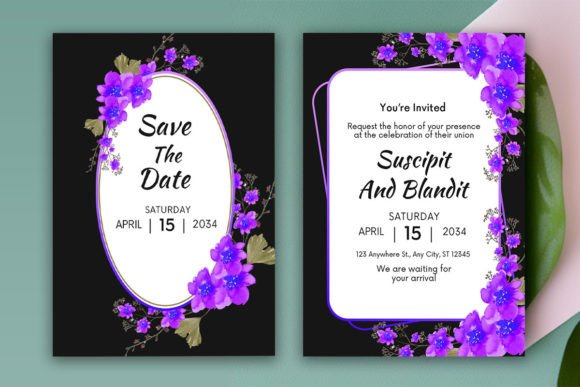
Decorative Flowers with Wedding Card: A Versatile Design Element for Events and More
When it comes to creating a memorable visual experience, few elements are as universally appealing as decorative flowers with wedding cards. These designs blend the elegance of floral patterns with the functionality of event invitations or announcements, making them ideal for weddings, birthdays, and other special occasions. With customizable templates available in popular design platforms like Canva and Adobe Illustrator, these floral-themed cards allow users to easily personalize their look while maintaining a professional finish.
Understanding Decorative Flowers with Wedding Cards
Decorative flowers with wedding cards typically refer to digital templates that feature hand-drawn or stylized floral backgrounds paired with text placeholders for wedding-related information. The same concept can be adapted for birthday parties, baby showers, or even branding projects that require a touch of nature-inspired beauty. These templates are often designed with a soft, romantic aesthetic but can also be tailored to fit more modern or bold themes depending on the occasion.
The integration of such designs into an event planning process is seamless, especially when considering how much time and effort goes into choosing the perfect theme, color palette, and typography. By using pre-designed templates, planners and DIY enthusiasts alike can streamline this process without sacrificing creativity or personalization.
Preparation and Compatibility
Before diving into customization, it’s important to consider the compatibility of the template with your preferred design tools. Most decorative flower templates come in multiple file formats such as EPS, AI, PDF, JPG, and PNG. This ensures they work well across different platforms and devices. For instance:
- EPS and AI files are ideal for professionals who want full control over vector graphics and scalable elements.
- PDF CANVA files provide a user-friendly option for those with basic design knowledge or who prefer drag-and-drop editing.
- JPG and PNG files are best suited for quick digital use or printing through third-party services.
If you're using a Canva template, the “PDF CANVA” file will include an embedded link to open the design directly in your browser. From there, you can follow simple steps to edit and finalize your card. These steps include signing up (or logging in) to Canva, customizing fonts and colors, adding your event details, and then downloading or printing the finished product.
Workflow Integration Tips
To incorporate decorative flowers with wedding cards into your workflow efficiently, start by aligning the design with your overall event branding. Here’s a practical approach:
- Define the purpose of the card — is it for a save-the-date, invitation, or thank-you note?
- Choose a template that reflects the tone of the event — classic, rustic, minimalist, or vibrant.
- Edit the template using the platform you’re most comfortable with (Canva for ease, Illustrator for precision).
- Ensure all event details (date, time, location, RSVP info) are accurate before finalizing the design.
- Export the file in the appropriate format for either digital sharing or print production.
This structured method helps maintain consistency in design language across all your event materials. Whether you're managing a large wedding or organizing a small birthday celebration, having a cohesive visual identity is key to a polished outcome.
Customization Options and Flexibility
One of the biggest advantages of decorative flowers with wedding cards is their flexibility. These templates usually support a wide range of modifications, including:
- Changing background colors or gradients
- Swapping out floral motifs for alternative styles
- Adjusting font types, sizes, and spacing
- Adding personalized illustrations or photos
- Including logos or brand elements for business events
For example, if you're designing a wedding invitation with a vintage feel, you might choose a cream-colored floral pattern with a serif handwritten font. Conversely, a contemporary birthday party might benefit from a monochrome floral design paired with a clean sans-serif typeface. The ability to adjust these elements ensures the design fits both the occasion and the preferences of the user.
Hands-On Editing Process
Editing a decorative flower wedding card is straightforward, particularly with Canva's intuitive interface. Once you’ve opened the template via the provided link:
- Select the text boxes and replace placeholder content with your own.
- Browse Canva’s library of fonts to find one that complements the floral style.
- Use the color picker tool to match the design with your event’s palette.
- Upload any personal images or icons you'd like to add to the layout.
- Preview the design on mobile and desktop to ensure readability and visual appeal.
Adobe Illustrator users have even more freedom, allowing for advanced layer manipulation, clipping masks, and precise alignment of floral elements. Both platforms make it easy to export the final design in high-resolution formats suitable for printing or digital distribution.
Usability Across Different Stages
These floral-based templates can be used at various stages of an event planning process:
Before the Event
During the early phases, a decorative flower wedding card can serve as a save-the-date or preliminary announcement. It sets the tone for the event and gives guests a glimpse of the aesthetic to expect. The same applies to birthday celebrations — sending out a beautifully designed card weeks in advance increases anticipation and engagement.
During the Event
While less common, some planners use these designs as part of table settings, place cards, or signage. In such cases, the floral motif becomes a recurring theme throughout the venue, reinforcing a unified look. Using the same template for multiple purposes (invitations, thank-you notes, etc.) helps keep things organized and visually consistent.
After the Event
Post-event, these designs can be repurposed for thank-you cards, social media posts, or even blog content summarizing the day. For bloggers or content creators, a floral design with event details can become part of a larger storytelling package, adding emotional value and visual continuity.
Quality Control and Long-Term Use
Maintaining quality control is essential when working with digital templates. Always double-check the following before printing or sharing:
- Font legibility at various sizes
- Color accuracy across different screens and printers
- Alignment and spacing of text and images
- Resolution for print (at least 300 DPI recommended)
For long-term use, consider saving versions of your design after each major edit. This allows for easy revisions later on, whether you need to update contact details or create a new version for another event. If you plan to reuse the template for similar events, building a library of saved variations can significantly boost efficiency over time.
Best Practices for Implementation
Here are some tips for effectively using decorative flowers with wedding cards in your next project:
- Start early: Give yourself enough time to experiment with different layouts and get feedback.
- Use real-life test prints: Especially for physical invitations, check how the design looks in print before mass production.
- Keep the message clear: Even with intricate floral designs, ensure the text remains easy to read and not overwhelmed by visuals.
- Match the design to the recipient: A younger audience may appreciate a more playful style, while older guests might prefer something traditional.
- Stay within brand guidelines: If you're designing for a company or organization, ensure the template adheres to established style rules.
By following these practices, you’ll enhance both the usability and effectiveness of the design, ensuring it serves its intended purpose without compromising on aesthetics.
Collaboration and Sharing
Many Canva templates support collaboration features, which means you can invite others to review or edit the design in real-time. This is particularly useful for couples working together on wedding invites or teams preparing promotional materials for a launch event. Adobe Illustrator files, while less collaborative by default, can be shared and reviewed using cloud storage solutions or project management tools like Google Drive or Trello.
Additionally, the instant digital download format makes it easy to share the zipped file with collaborators or stakeholders. Inside the file, you'll typically find all necessary assets along with instructions on how to proceed with editing and printing. Clear documentation is crucial here — it ensures everyone involved understands how to modify the design without causing errors or inconsistencies.
Cost and Time Efficiency
Using a DIY printable and editable template can significantly reduce both time and cost compared to hiring a designer for every piece of event-related communication. The default size of 5" x 7" (12.7×17.8 cm) is widely accepted for standard invitations, so no additional formatting is needed unless you're aiming for a unique dimension.
Templates also help avoid the need for repeated design sessions. Once you've customized the base design, you can duplicate it for related uses (e.g., program booklets, menu cards, gift tags), applying minor tweaks where necessary. This streamlines the creative process, letting you focus on other aspects of your project or event.
Support and Troubleshooting
If you run into any issues during the editing or printing process, many sellers offer customer support. Simply reach out with questions about file compatibility, editing difficulties, or print quality concerns. Support is especially helpful for first-time users unfamiliar with vector files or the nuances of Canva's free account limitations.
Some common troubleshooting scenarios include:
- Fonts not appearing correctly — always convert text to outlines before exporting final files.
- Images looking blurry in print — ensure all graphics are high resolution and properly scaled.
- Template layers missing — check that you've downloaded all files and opened the correct one for editing.
Having access to reliable support can turn a frustrating situation into a quick fix, helping you stay on schedule and maintain the integrity of your design.
Real-World Applications
Let’s take a look at a few examples of how decorative flowers with wedding cards can be applied in practice:
Wedding Invitations
A couple planning a springtime wedding chooses a floral design with soft pastel tones. They use the Canva template to add names, date, and venue details, then send it to family and friends digitally. Later, they print the same design for envelope liners and place cards, creating a cohesive look that impresses their guests.
Corporate Birthday Celebration
An HR manager wants to celebrate a team member's milestone birthday. She downloads a floral template compatible with Adobe Illustrator and adds the company logo, employee photo, and celebratory message. The result is a professional yet warm keepsake that aligns with internal branding standards.
Personal Blog Post
A lifestyle blogger uses the floral design as a header for a post about her recent wedding. She edits the template to remove event-specific text and instead inserts a quote and call-to-action button. The design becomes a reusable asset for future themed content, enhancing the blog's visual appeal.
Conclusion
Decorative flowers with wedding cards are more than just beautiful designs — they’re versatile tools that can be integrated into various workflows. Whether you're a hobbyist creating handmade invitations or a professional managing event branding, these templates offer a balance between simplicity and sophistication. With the right preparation, attention to detail, and understanding of how to customize and share them, you can elevate your projects with minimal effort.
Take advantage of the customizable options in Canva and Adobe Illustrator to tailor the design to your needs. And remember, if you ever need assistance, reaching out for support is always a good idea to ensure your final output meets your expectations and exceeds your guests’ or audience’s satisfaction.