Decorative Vintage Background
A Decorative Vintage Background is more than just an aesthetic choice—it's a powerful design tool that brings character, warmth, and a sense of nostalgia to any project. Whether you're crafting a wedding invitation, designing a greeting card, or creating a poster for a special event, the right background can elevate your work from ordinary to extraordinary. With its intricate detailing and timeless charm, a vintage-style background offers a versatile canvas for creative expression.
What Makes a Vintage Background Unique?
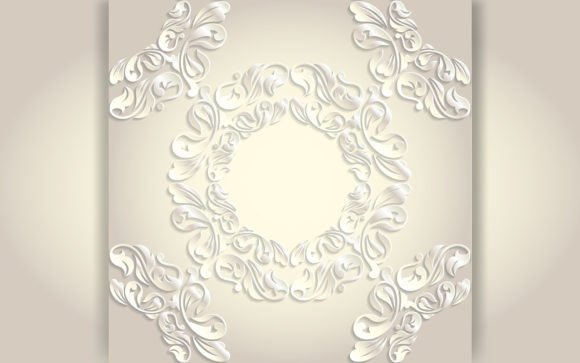
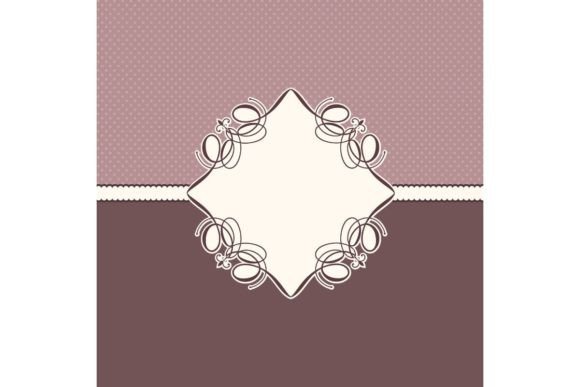
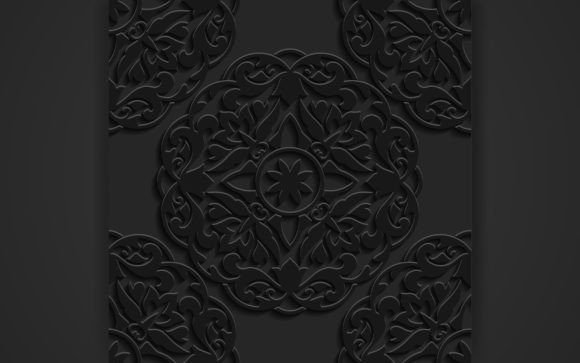
The key feature of a Decorative Vintage Background is its ornate frame and aged visual appeal. These backgrounds often include elements like lace patterns, floral motifs, antique textures, and subtle color variations that mimic the look of old-world prints. The design is typically rich in detail yet maintains a balance that allows other content—such as text or images—to stand out clearly.
One of the most valuable aspects of this type of background is its adaptability. It works well with both minimalist layouts and elaborate designs, making it suitable for a wide range of applications. The file format options—like vector EPS and high-resolution JPG at 300 dpi—ensure that you can use it across different platforms without compromising quality.
Why Designers Love Vintage Backgrounds
- Timeless Aesthetic: Vintage backgrounds have a classic look that appeals to a broad audience and never goes out of style.
- Professional Quality: High-resolution files ensure crisp printing and clear digital display, which is essential for professional-grade projects.
- Easy Customization: The vector format (EPS) allows for resizing and editing without loss of detail, giving designers full control over their layout.
- Multi-Purpose Use: Ideal for print and digital media alike, these backgrounds are great for invitations, posters, social media graphics, and more.
Practical Uses Across Industries
Vintage backgrounds are incredibly flexible, finding their place in both personal and commercial settings. Here’s how they can be applied in real-world scenarios:
Wedding Invitations
There’s nothing quite like the romantic allure of a vintage-themed wedding invitation. A Decorative Vintage Background adds a touch of elegance and sophistication, helping set the tone for the entire event. The detailed frame and soft textures make it perfect for pairing with handwritten fonts and gold foil accents, enhancing the overall visual impact.
Greeting Cards and Stationery
When designing greeting cards for birthdays, anniversaries, or thank-you notes, a vintage background can give your creations a heartfelt, artisanal feel. Its decorative nature complements hand-drawn illustrations or calligraphy, making each card unique and memorable.
Posters and Flyers
For events such as art exhibitions, book launches, or historical reenactments, using a Decorative Vintage Background helps create an atmosphere that resonates with the theme. The vintage aesthetic encourages engagement by evoking curiosity and nostalgia among viewers.
Bloggers and Publishers
Blogs focused on history, fashion, or lifestyle often benefit from a vintage-inspired design. Using a Decorative Vintage Background as a header or watermark can reinforce the blog’s identity and attract a specific audience looking for curated, nostalgic content.
Marketing and Branding Materials
Brands that emphasize tradition, craftsmanship, or heritage can leverage vintage backgrounds to align with their messaging. They add a layer of authenticity to marketing materials, packaging, or website headers, especially when paired with muted tones and serif typography.
Educational and Cultural Projects
Teachers, museum curators, and educators can use vintage backgrounds to enhance learning materials related to history, literature, or the arts. The visual context provided by these designs makes educational content more engaging and immersive.
Choosing the Right Vintage Background
Selecting the ideal Decorative Vintage Background depends on several factors, including the purpose of your design, the target audience, and the message you want to convey. Here are some practical considerations to keep in mind:
- Relevance to Theme: Ensure the background complements the subject matter. For example, a floral vintage background might suit a botanical event better than a tech conference.
- Color Harmony: Vintage designs often come in sepia, cream, or muted pastel tones. Check if these colors align with your brand palette or project requirements.
- File Format Needs: If you plan to print your design, the included 300 dpi JPG file will provide excellent clarity. The EPS vector file is best suited for scalability and customization in graphic design software like Adobe Illustrator.
- Layering and Overlays: Be mindful of contrast when adding text or images on top of the background. You may need to apply overlays or adjust transparency to maintain readability.
- Licensing and Usage: Confirm whether the background you choose is royalty-free or requires attribution, particularly if you're using it for commercial purposes.
Real-World Examples
Imagine you’re a freelance designer tasked with creating a flyer for a local antiques fair. A Decorative Vintage Background would instantly evoke the right vibe. You could overlay it with bold headings and product photos, ensuring the vintage details don’t overshadow the main message but instead support it with visual storytelling.
Or consider a small business owner launching a new line of handmade soaps. Using a vintage-style background in their packaging design can help communicate a sense of quality, care, and timelessness—key selling points for artisan products.
Maximizing Usability and Efficiency
One of the strengths of the Decorative Vintage Background is its ease of integration into existing workflows. Because it comes in both vector and raster formats, it adapts to various design tools and platforms. Vector files allow for precise editing and scaling, while high-quality JPGs are ready to use in most digital publishing environments.
Designers who frequently work on print-on-demand projects will appreciate how this background streamlines production. Instead of starting from scratch, they can quickly apply it as a template base, saving hours of time and effort. Additionally, the inclusion of a JPG file ensures compatibility with online tools and drag-and-drop editors, making it accessible even to those with minimal technical skills.
Best Practices for Implementation
- Use the EPS file for editable projects where scaling or customization is required.
- Optimize the JPG version for web use by adjusting resolution or compressing the file size appropriately.
- Consider combining the background with complementary assets like vintage fonts, watercolor illustrations, or distressed textures for a cohesive design.
- Always test the final output in both digital and print formats to ensure the background looks its best across all mediums.
Enhancing Communication and Engagement
In today’s fast-paced digital landscape, standing out is more important than ever. A Decorative Vintage Background can help your content catch attention by offering a unique visual narrative. Whether it’s a Facebook post for a retro-themed sale or a printed brochure for a vintage car show, the right background can spark interest and encourage interaction.
Its aesthetic also plays a role in user experience. On websites or apps, a subtly textured vintage background can reduce visual fatigue and create a more welcoming interface. In branding, it reinforces personality and helps build a consistent visual language that customers recognize and trust.
Design Tips for Maximum Impact
To get the most out of your Decorative Vintage Background, here are a few tips:
- Balance Detail and Simplicity: Avoid overcrowding the design. Let the background’s features shine without competing with primary content.
- Highlight Key Elements: Use white space or contrasting colors to draw attention to headlines, logos, or calls to action.
- Stay Consistent: Apply the same vintage motif across all your materials to build a recognizable brand identity.
- Test Different Layouts: Try placing the background in the corners, center, or as a border to see what works best for your design goals.
Final Thoughts on Creative Potential
Whether you're a seasoned designer or someone experimenting with new ideas, the Decorative Vintage Background is a valuable asset. Its ability to blend seamlessly into diverse contexts—from elegant invitations to promotional flyers—makes it a go-to choice for professionals who value both form and function.
By incorporating this background into your toolkit, you gain access to a design element that enhances not only the appearance of your work but also its emotional resonance. People connect with aesthetics that tell a story, and a vintage background does just that.
If you're working on a project that needs a touch of elegance, a hint of history, or simply a standout visual, grab the Decorative Vintage Background now. With one vector EPS file and a 300 dpi JPG, you’ll have everything you need to bring your vision to life.