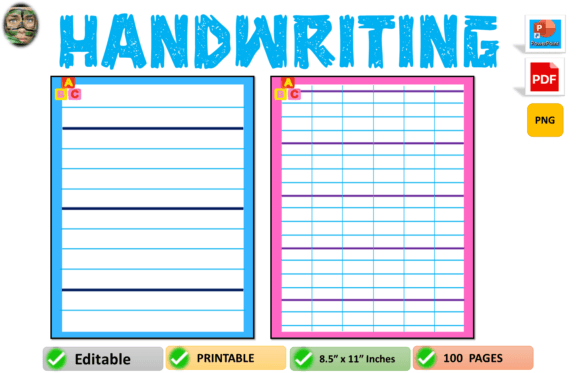
Handwriting Lined Paper: A Beautiful Blend of Function and Style
In a world increasingly dominated by digital communication, the art of handwriting remains a cherished practice for many. Handwriting lined paper offers a structured yet creative space for writing, making it an essential tool for students, writers, artists, and anyone who values the personal touch of pen and paper. Whether you're practicing your signature, journaling, or taking notes, the right lined paper can make all the difference in both comfort and aesthetics.
The appeal of handwriting lined paper extends beyond its practical use. It has become a trend that reflects a growing desire for mindfulness, creativity, and personal expression. With the rise of digital detox movements and the popularity of bullet journals, more people are turning to handwritten content as a way to disconnect from screens and reconnect with their thoughts. This shift highlights the relevance of well-designed lined paper in modern lifestyles.
Why Handwriting Lined Paper Matters
Handwriting lined paper provides a foundation for clear and organized writing. The lines help maintain consistency in letter size and spacing, which is especially important for those learning to write or improving their handwriting. For children, this structure supports early literacy development, while for adults, it can enhance focus and productivity during note-taking or creative writing sessions.
Moreover, the visual appeal of lined paper plays a role in user experience. A well-designed sheet with soft colors, subtle patterns, and decorative elements can make the act of writing more enjoyable. This is where the concept of a handwriting lined paper title page comes into play. A beautifully crafted title page sets the tone for the entire document, offering a welcoming and inspiring start to any writing journey.
The Power of a Decorative Title Page
A decorative title page is more than just a cover—it's an invitation to engage with the content. When designing a handwriting lined paper title page, consider using a girly font that exudes charm and elegance. Soft pastel backgrounds, delicate illustrations, and whimsical borders can transform a simple page into a work of art. These elements not only attract attention but also create a sense of anticipation for what lies ahead.
For instance, a title page featuring a floral border and a handwritten-style heading in cursive could evoke a sense of nostalgia and creativity. Adding small graphics like butterflies, stars, or tiny hearts in the margins can further enhance the visual appeal without overwhelming the reader. The goal is to create a page that feels personal and inviting, encouraging users to dive into the rest of the document with enthusiasm.
Table of Contents: Navigating Your Writing Journey
If your document includes various types of lined paper—such as wide lines, narrow lines, or different designs—a table of contents is a valuable addition. It allows users to easily navigate through the pages, ensuring they can find the right format for their needs. A well-organized table of contents also adds a professional touch, making the document feel more polished and user-friendly.
Consider including sections such as "Wide-Ruled Pages for Beginners," "Narrow-Ruled Pages for Advanced Writers," and "Creative Layouts for Inspiration." Each entry can provide a brief description of the content, helping users understand what to expect. This level of detail not only improves usability but also demonstrates thoughtfulness in the design process.
Page Layout: Clean, Clear, and Comfortable
The layout of each page is crucial for an optimal writing experience. A clean and clear design ensures that the lines are evenly spaced, allowing for consistent letter formation. Wide-ruled pages are ideal for younger writers or those with larger handwriting, while narrow-ruled pages cater to more advanced users or those who prefer compact writing.
When designing these pages, pay attention to details such as line thickness and spacing. Too thick or too thin lines can affect readability and comfort. Additionally, incorporating subtle background textures or light patterns can add visual interest without distracting from the writing area. The key is to strike a balance between functionality and aesthetics, ensuring that the paper serves its purpose while also being a pleasure to use.
Decorative Elements: Adding Personality to Your Pages
Decorative elements can elevate the overall look of your handwriting lined paper. Soft color schemes, such as lavender, mint green, or peach, create a calming atmosphere that encourages focus and creativity. Small illustrations, like flowers, butterflies, or stars, can be placed in the margins to add a touch of whimsy without overwhelming the main content.
Another idea is to include motivational quotes or inspirational messages at the top of certain pages. These can serve as reminders to stay focused, embrace creativity, or take a moment to reflect. By blending practicality with personality, you create a document that not only functions well but also resonates emotionally with the user.
Variety of Designs: Keeping It Engaging
To keep the document engaging, consider varying the designs throughout. Some pages could feature a minimalist layout with just lines and a simple border, while others might incorporate more elaborate patterns or interactive elements. For example, a page with a drawing space alongside the lined area allows for creative expression, making it ideal for artists or those who enjoy sketching alongside their writing.
Additionally, including pages with different line heights or grid formats can cater to diverse writing styles. Whether someone prefers traditional lined paper, graph paper, or a mix of both, offering variety ensures that the document meets the needs of a broader audience. This adaptability makes the document more versatile and appealing to a wider range of users.
Progressive Difficulty: Building Skills Over Time
Organizing the pages in a way that progresses in difficulty can help users build their skills gradually. Start with larger lines suitable for beginners, then move to narrower lines as their confidence and precision improve. This approach supports a natural learning curve, making the writing process less intimidating and more rewarding.
For example, the first few pages could focus on basic letter formation, while later pages introduce more complex tasks like paragraph writing or creative storytelling. Including tips or exercises on specific pages can further enhance the learning experience, providing guidance and encouragement along the way.
Handwriting Lined Paper in Modern Workflows
As more people seek ways to integrate analog practices into their digital lives, handwriting lined paper has found a new place in modern workflows. Professionals may use it for brainstorming, note-taking, or journaling, while educators might incorporate it into lesson plans or student activities. Its versatility makes it a valuable tool across various industries and personal interests.
Moreover, the trend toward personalized and handmade items has boosted the demand for unique lined paper designs. Customizable options allow users to choose fonts, colors, and layouts that reflect their individual style. This customization not only enhances the user experience but also fosters a deeper connection between the user and the product.
Practical Implications for Users and Creators
For users, handwriting lined paper offers a tactile and engaging way to express ideas, organize thoughts, and develop writing skills. It can be used in classrooms, offices, or at home, serving as a reliable companion for both academic and personal pursuits. For creators, designing effective lined paper requires a balance of functionality, aesthetics, and user-centered thinking.
Creators should consider factors such as paper quality, line clarity, and visual appeal when developing their designs. Testing different layouts and gathering feedback from users can help refine the final product, ensuring it meets the needs of its intended audience. By focusing on both form and function, creators can produce lined paper that is not only useful but also enjoyable to use.
Conclusion: Embracing the Beauty of Handwriting
Handwriting lined paper is more than just a writing tool—it's a medium for self-expression, creativity, and personal growth. With its blend of structure and style, it offers a unique way to connect with words and ideas. Whether you're a student, a writer, an artist, or simply someone who appreciates the beauty of handwritten text, there's something special about the experience of writing on a well-designed page.
By incorporating thoughtful design elements, organizing content effectively, and considering the needs of different users, you can create a document that is both functional and visually appealing. In a world that often prioritizes speed and efficiency, handwriting lined paper reminds us of the value of slowing down, reflecting, and embracing the art of writing.