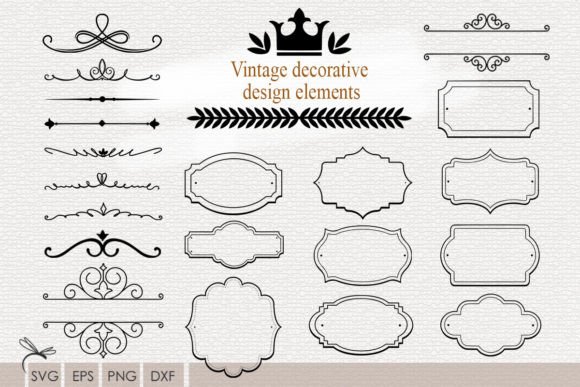
Vintage Decorative Design Elements for Modern Creations
Vintage Decorative Design Elements bring a timeless charm and elegance to modern crafting projects. Whether you're an artist, entrepreneur, educator, or hobbyist, these design assets can elevate your work across a wide range of mediums. With the rise of digital crafting tools like Cricut and Silhouette machines, vintage designs have become more accessible than ever before. This makes them ideal for creating personalized t-shirts, mugs, prints, signs, cards, and more.
What Are Vintage Decorative Design Elements?
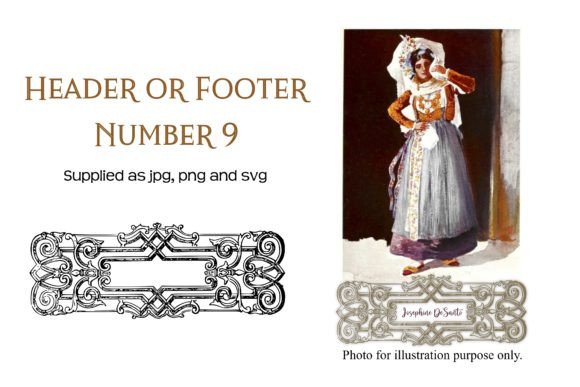
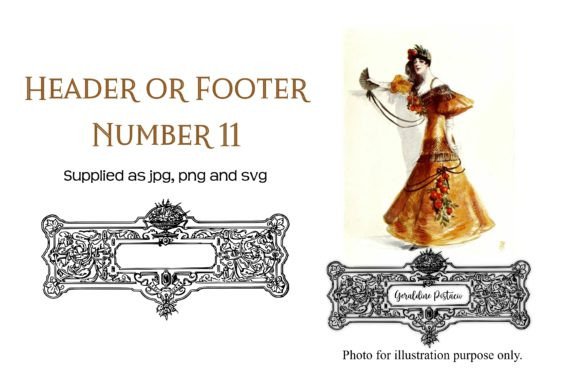
Vintage Decorative Design Elements refer to visual motifs inspired by historical styles, such as Art Nouveau, Victorian, Retro, and Mid-Century. These elements often include ornate borders, floral patterns, calligraphy, antique typography, and intricate illustrations that evoke nostalgia and sophistication. Unlike generic clip art, vintage-inspired designs carry a sense of authenticity and heritage that can make your creations stand out in both personal and professional settings.
Why Use Them in Your Projects?
The appeal of vintage designs lies in their ability to convey emotion and tell a story through aesthetics. They’re not just decorative; they add character and depth to any product. When used correctly, these elements can enhance user experience, increase engagement, and even improve brand perception. For businesses, incorporating vintage motifs into merchandise or marketing materials can create a unique identity that resonates with customers who appreciate classic style.
Additionally, vintage design elements are incredibly versatile. Their adaptability allows them to be used in various formats and applications, from digital media to physical products. The fact that they come in multiple file types—such as SVG, EPS, DXF, and PNG—makes them compatible with most cutting and design software, ensuring ease of use for professionals and DIY enthusiasts alike.
Key Characteristics and Strengths
- Historical Inspiration: Each design is rooted in a specific era’s artistic expression, giving it cultural and emotional weight.
- High Quality: Files are professionally crafted, offering clean lines and crisp edges that maintain integrity at any size.
- Multiple File Formats: SVG, EPS, DXF, and PNG files ensure compatibility with both vector-based and raster-based platforms.
- Scalable and Editable: Vector formats allow for resizing without loss of quality, while also being editable in design programs like Adobe Illustrator or Inkscape.
- Endless Customization: You can layer, recolor, and combine elements to suit your creative vision, making each project truly one-of-a-kind.
One of the standout qualities of these design sets is their attention to detail. From delicate filigree to bold retro fonts, each element has been carefully designed to maintain its original charm while fitting seamlessly into contemporary workflows. This balance between tradition and modernity is what makes Vintage Decorative Design Elements so valuable today.
Practical Applications Across Different Fields
These design elements aren’t limited to a single industry or purpose. Here's how different creators and professionals can benefit from using them:
Personal Use
For individuals looking to express their personality creatively, vintage design files offer endless possibilities. Create custom greeting cards with elegant script and borders, personalize home decor with retro flair, or design a vintage-themed wedding invitation set that stands apart from the ordinary. The PNG files are especially useful for card printing, as they provide transparent backgrounds and high-resolution visuals.
Professional and Business Applications
Entrepreneurs and small business owners can leverage these designs to build a cohesive brand image. Think about vintage-style signage for a boutique, café, or shop that exudes warmth and authenticity. Merchandise such as branded mugs, t-shirts, and tote bags featuring vintage elements can attract customers who value craftsmanship and history. These items serve as both functional products and conversation starters.
Marketing teams might find vintage designs particularly effective when targeting niche markets or promoting seasonal campaigns. A fall promotion could feature autumn leaves in an Art Nouveau style, while a holiday collection might incorporate classic border motifs reminiscent of early 20th-century postcards.
Education and Publishing
Educators can use these elements to create visually engaging classroom materials or presentations. History lessons on the Victorian era, for example, can be enhanced with period-accurate design accents. Similarly, publishers and bloggers can integrate vintage illustrations and frames into blog headers, eBook covers, or printable worksheets, adding a touch of professionalism and visual interest.
Creative Industries
Graphic designers, illustrators, and artists will appreciate the rich variety and complexity of vintage design elements. They can be layered to create complex compositions or simplified to highlight key features. Whether designing for print or digital media, these files help bridge the gap between traditional and modern aesthetics, enabling creators to produce work that feels both fresh and familiar.
Digital and Online Platforms
In the digital space, vintage elements can be used for website headers, social media graphics, email templates, and online courses. Their aesthetic versatility allows them to blend well with minimalist layouts or contrast effectively against bold, modern backgrounds. PNG files are especially handy here because they support transparency and can be easily overlaid on any color scheme.
Benefits of Using Vintage Decorative Design Elements
Beyond their visual appeal, these design elements offer several practical benefits:
- Enhanced Branding: Vintage themes can give your brand a nostalgic feel, which is powerful for storytelling and customer connection.
- Increased Engagement: Unique and aesthetically pleasing designs capture attention better than generic ones, especially on social media or e-commerce sites.
- Improved Productivity: Pre-made, royalty-free design files save time and effort compared to creating everything from scratch.
- Consistent Quality: Professional-grade files reduce the risk of pixelation or distortion, ensuring polished results every time.
- Cost-Effective: With instant digital downloads and no need for hiring a designer, these elements are a budget-friendly solution for many projects.
Real-World Examples and Use Cases
Imagine running a boutique clothing store and wanting to launch a line of vintage-themed tees. By using the included SVG files in your Cricut machine, you can quickly cut out intricate patterns and apply them with heat transfer vinyl. The result? A product that feels handcrafted yet efficient to produce.
A local bakery might use these designs to create themed packaging for special events. A Mid-Century patterned box for Mother’s Day or a floral label for a new line of jams could reinforce the brand’s artisanal vibe and attract customers seeking something memorable.
Teachers and homeschoolers can take advantage of the PNG files to craft printable certificates, award banners, or educational posters. The transparent backgrounds and crisp lines make these perfect for laminating or displaying digitally in virtual classrooms.
Considerations When Choosing and Using Vintage Design Files
While vintage design elements are highly adaptable, there are a few things to keep in mind when selecting and implementing them:
- Relevance to Theme: Ensure the chosen design aligns with the overall message or theme of your project. Not all vintage styles work together, so choose elements that complement one another.
- Software Compatibility: Confirm that your design or cutting software supports the file types you plan to use. SVG, EPS, and DXF files are widely supported, but always test a sample first.
- Printing Medium: Some materials require specific file types for optimal results. For example, DXF files may be better suited for laser cutting, while PNGs are excellent for digital printing on fabric or paper.
- Copyright and Licensing: Always verify that the design files you use are royalty-free and properly licensed for your intended application. Many sets include commercial-use permissions, which is essential for business owners.
- Design Layering: Don’t hesitate to mix and match elements from the same set. Combining borders, icons, and text styles can lead to more dynamic and personalized outcomes.
It's also important to consider color schemes and background textures. Vintage elements often look best when paired with muted tones or aged effects. However, this doesn't mean they can’t be vibrant—many designs respond beautifully to color overlays and gradients.
Getting Started with Your Vintage Design Collection
If you're ready to start using these design elements, begin by exploring the full set of 21 SVG, EPS, DXF, and PNG files. Each format serves a different purpose, so understand which ones work best for your projects. For instance, SVG and DXF files are ideal for Cricut or Silhouette machines, while EPS files offer flexibility for editing in Adobe Illustrator.
Start with a simple project, like designing a mug for a gift or creating a framed print for your office wall. As you become more comfortable, try experimenting with layered designs, combining multiple elements to form a cohesive layout. Remember, the beauty of Vintage Decorative Design Elements is in their ability to be customized and repurposed creatively.
Final Thoughts
Vintage Decorative Design Elements are more than just pretty pictures—they're tools that empower creators to infuse personality, history, and artistry into their work. Whether you're designing for yourself or your business, these files open up a world of possibilities that span across industries and audiences. With an instant digital download that includes 21 files in four popular formats, you can dive right into crafting with confidence and creativity.
So go ahead, explore the collection, and let these timeless pieces inspire your next project. From logos to lifestyle products, the right vintage design can transform the ordinary into the extraordinary.