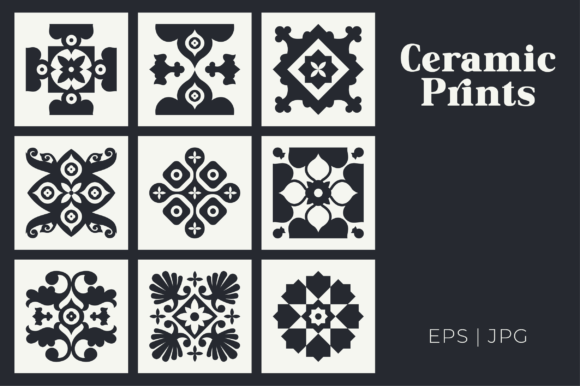
Decorative Ceramic Prints for Modern Design Projects
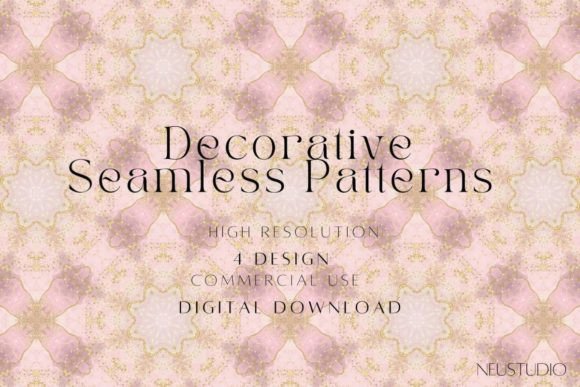
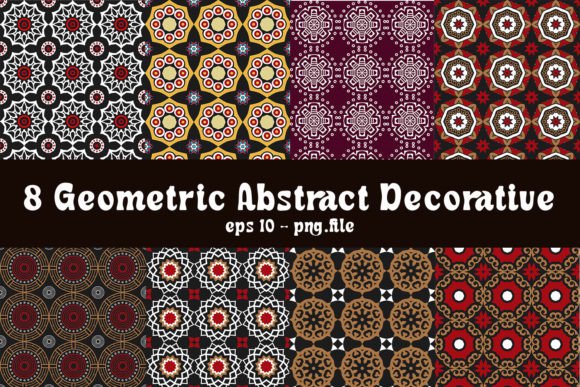
Decorative Ceramic Prints have become a popular choice among designers and creatives who seek to blend timeless artistry with contemporary aesthetics. These prints, often inspired by traditional styles like Talavera Art Decor and classic Georgian ornaments, offer a rich visual language that can elevate everything from home décor to branding materials. With intricate floral motifs, geometric patterns, and symbolic elements, they bring depth, character, and cultural resonance to modern design projects.
What Makes Decorative Ceramic Prints Unique?
At their core, Decorative Ceramic Prints are digital design assets rooted in the beauty of ceramic art. They mimic the handcrafted look of tiles, plates, or vases, featuring bold outlines, vibrant colors, and detailed textures. The style is particularly evocative when drawing inspiration from Talavera Art, which originates from Mexico and is characterized by its blue-and-white color palette and symmetrical designs. When combined with Georgian ornamentation, these prints take on an additional layer of elegance—think of the ornate flourishes and classical motifs found in 18th-century European design.
These prints are typically delivered as high-quality vector graphics (EPS) and raster images (JPG), ensuring scalability without loss of detail. Whether you're working on large-format print or small-scale digital mockups, the clarity and flexibility of these files make them a valuable asset in your creative toolkit.
Visual Characteristics and Style Appeal
- Intricate Patterns: From swirling florals to structured geometry, each print offers a level of detail that’s both eye-catching and versatile.
- Color Customization: While the original palettes may reflect traditional influences, the EPS format allows for easy recoloring to suit modern brand identities or seasonal themes.
- High Scalability: Vector-based files mean you can scale up or down without compromising quality—ideal for logos, wall murals, or packaging.
- Cultural Aesthetic: These designs carry a sense of heritage and authenticity, making them perfect for brands aiming to evoke tradition or craftsmanship.
One of the most appealing aspects of Decorative Ceramic Prints is how they bridge the gap between historical art forms and current design trends. Their ability to be adapted into minimalist settings without losing their charm makes them especially useful in today’s design landscape where less is more often reigns supreme.
Where to Use Decorative Ceramic Prints Effectively
These design assets aren’t just limited to ceramics. Their adaptability allows them to thrive across various industries and mediums. Here are some standout applications:
Home Décor and Interior Design
Minimalist tiles, accent walls, or custom-designed kitchen backsplashes can benefit greatly from the subtle luxury of Decorative Ceramic Prints. For interior designers, using these prints in spaces like living rooms, bathrooms, or boutique hotels adds a curated, artistic touch while maintaining clean lines and modern appeal.
Product Packaging and Branding
If you're in the food, fashion, or lifestyle industry, consider incorporating these prints into product labels, gift boxes, or promotional materials. Their ornamental yet refined appearance works well for artisanal products, gourmet foods, or luxury home goods. In editorial design, they can frame spreads in cookbooks, travel guides, or lifestyle magazines, enhancing the visual storytelling without overwhelming the content.
Digital and Print Marketing Collateral
From social media graphics to brochures and posters, Decorative Ceramic Prints can add a distinctive flair to marketing materials. They’re especially effective in creating a strong visual hierarchy when used as background textures or border elements. Pair them with a modern sans serif font to contrast the ornate visuals and maintain readability.
Personal and Commercial Creative Projects
Whether you're a hobbyist looking to personalize throw pillows or an entrepreneur launching a new line of handmade textiles, these prints offer a unique edge. Crafters and small business owners can use them for fabric printing, embroidery templates, or even as part of logo design to stand out in a crowded market.
Design Considerations and Best Practices
While Decorative Ceramic Prints are visually compelling, their integration into a project requires thoughtful planning. Here are some practical tips to ensure your use of these assets is both effective and professional:
- Balance Detail with Simplicity: Because these prints are often complex, avoid overusing them in areas that need to remain clean and legible. Use them as accents rather than full-page backgrounds unless the context calls for it.
- Font Pairing Matters: When combining these prints with text, choose fonts that complement their style. A serif typeface might work best if the overall aesthetic leans towards classic or traditional, whereas a display font could enhance a more contemporary feel.
- Test Color Schemes: Experiment with different hues to see how the prints interact with your brand colors. Monochrome versions can sometimes highlight the pattern's structure better, especially in web design or digital presentations.
- Evaluate Readability: If the print is being used as a background for text, ensure there's enough contrast. You don't want the intricate details to distract from important information or reduce legibility.
- Understand Licensing: Always check the commercial license included with the design files. This ensures you can legally use the assets in client projects or for selling finished products.
Real-World Examples and Observations
Take, for instance, a boutique hotel chain that wants to convey a mix of rustic charm and modern sophistication. By integrating Decorative Ceramic Prints into wall art and room signage, they create a cohesive yet dynamic brand identity that feels both authentic and stylish. Similarly, a coffee brand using these prints on packaging could evoke a sense of artisanal care and attention to detail, resonating with customers who value quality and uniqueness.
In web design, these prints can serve as hero section overlays or subtle dividers between content blocks. However, due to their complexity, it's crucial to optimize file sizes and load times. Use the JPG version for online applications and keep the EPS for print or high-res outputs.
Choosing the Right Design Assets for Your Project
When selecting Decorative Ceramic Prints, start by evaluating the purpose of your project. Are you designing for a logo? Then focus on how the print complements your typography and messaging. Is it for a textile collection? Prioritize how the pattern repeats and interacts with fabric texture.
Review the included styles carefully. Some collections may feature multiple variations, allowing you to pick the one that aligns best with your brand or product. Look for elements that resonate with your target audience—florals for romantic or organic themes, geometric shapes for a more structured or urban vibe.
Consider also the emotional tone you want to communicate. Traditional Talavera-inspired prints might suggest warmth and heritage, while those with a more abstract or stylized approach can signal innovation and modernity. Testing these prints in different contexts—such as print vs. digital—will help you understand their performance and visual impact.
Practical Recommendations for Designers
- Use the EPS file for commercial projects that require editing or scaling, such as tile installations or branded merchandise.
- For quick mockups or social media posts, the JPG file provides excellent resolution at 2000 x 2000 px, suitable for most platforms.
- Layer prints subtly under text or icons to add texture without overpowering the message.
- Try font pairing experiments with tools like Adobe Typekit or Google Fonts to find the ideal match for your project.
Final Thoughts on Integrating Decorative Ceramic Prints
Decorative Ceramic Prints are more than just design assets—they're a way to infuse personality, history, and artistry into your creative work. When used thoughtfully, they can strengthen brand perception, improve visual hierarchy, and create a lasting impression on your audience. Whether you're designing for a startup or crafting personal items for resale, these prints provide a foundation for expressing creativity with confidence and clarity.
The key to success lies in understanding the balance between detail and function. Let the prints speak for themselves in the right places, and pair them with typography that enhances—not competes with—their beauty. As with any premium design asset, the value comes from how well it integrates into your larger creative vision.