Geometric Abstract Decorative Patterns: A Versatile Design Element for Modern Creativity
What Are Geometric Abstract Decorative Patterns?
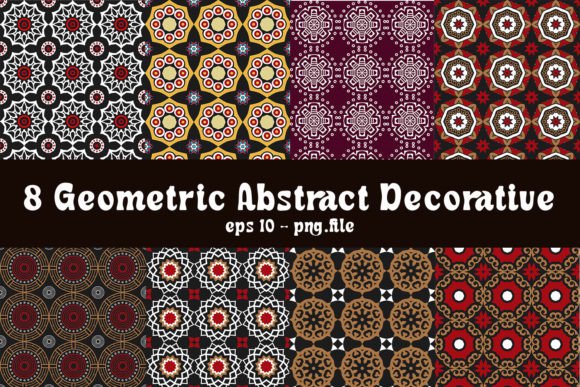
Geometric abstract decorative patterns are visual designs that use shapes, lines, and colors to create intricate and stylized backgrounds. These patterns typically avoid realistic imagery in favor of simplified forms such as triangles, circles, squares, and other geometric figures arranged in a non-representational manner. The result is a design that feels modern, clean, and universally appealing.
Such patterns have become a staple in the world of graphic design due to their adaptability and aesthetic appeal. They can be used across a wide range of mediums and industries, making them an invaluable tool for both personal and professional projects.
The Purpose and Significance of Geometric Abstract Patterns
At their core, geometric abstract patterns serve two primary purposes: decoration and functionality. While they add visual interest and style to any project, they also play a role in enhancing usability and brand identity when applied correctly.
- Decorative Appeal: These patterns bring a sense of order and symmetry to otherwise plain surfaces, helping to elevate the overall look and feel of a design.
- Functional Use: In digital and print media, seamless geometric patterns are often used to guide the viewer's eye, emphasize content, or create contrast without overwhelming the message.
Why Choose Geometric Abstract Decorative Patterns?
One of the main reasons designers love working with geometric abstract patterns is their versatility. Whether you're designing for print or digital platforms, these patterns can easily adapt to different sizes, resolutions, and color schemes. Their structured yet artistic nature makes them ideal for creating a balance between creativity and professionalism.
Another key advantage is their ability to reflect modern aesthetics. As minimalism and abstract art continue to dominate contemporary design trends, geometric patterns offer a perfect blend of simplicity and sophistication.
Applications in Real-World Projects
Geometric abstract decorative patterns are not just limited to digital design—they’re equally effective in physical applications. Here’s how they can be utilized in various creative fields:
Business Cards
A business card is one of the first points of contact between a company and its audience. Using a geometric pattern as a background can make your card stand out while maintaining a professional appearance. The clean lines and organized structure help convey reliability and innovation.
For example, a tech startup might use a subtle hexagonal pattern in muted tones to suggest precision and efficiency. Meanwhile, a fashion designer could go for bold, colorful triangles to express creativity and energy.
Wedding Invitations
Wedding invitations are more than just announcements; they set the tone for the entire event. A geometric abstract pattern can give your invitation a fresh, modern twist. These patterns can be tailored to match the wedding theme—whether it's minimalist, vintage, or vibrant and playful.
Using a seamless pattern ensures that there are no visible repetitions, which is especially important for printed materials where small details matter. This creates a polished and elegant final product.
Greeting and Christmas Cards
Holiday cards and greeting cards benefit greatly from geometric patterns because they allow for customization and consistency. You can choose patterns that align with the season or occasion—like warm-toned triangles for winter or bright, angular shapes for birthday greetings.
With high-resolution PNG files (1000 × 1000 px at 300dpi), you can ensure crisp printing and a professional finish, even on smaller items like cards and tags.
Fashion Projects
In the world of fashion, geometric patterns are used extensively for fabric prints, packaging, and branding. They can add a unique flair to clothing lines, accessories, or promotional materials. The structured nature of these patterns gives them a timeless quality that works well across cultures and styles.
Designers often layer geometric patterns over photographs or logos to create visually striking compositions. With vector EPS format files, scaling is effortless, allowing the same pattern to be used on everything from t-shirts to billboards.
Websites and Digital Media
On websites, geometric patterns can enhance user experience by breaking up content areas, highlighting sections, or serving as subtle dividers. They are especially useful for landing pages, banners, and headers where visual hierarchy is crucial.
Because these patterns are seamless, they can tile infinitely without distortion, making them perfect for large-scale web backgrounds. They also perform well on mobile devices, ensuring a consistent look across all screen sizes.
Crafts and DIY Projects
From scrapbooking to home décor, geometric abstract patterns are a favorite among crafters. Their clean lines and modularity make them easy to incorporate into handmade items like gift wraps, posters, and wall art.
Thanks to the availability of both vector and raster formats, you can print these patterns on almost any surface—paper, fabric, wood, or metal—with excellent clarity and detail.
Understanding Seamless Patterns
Seamless patterns are repeatable designs that fit together perfectly without visible seams or breaks. This feature is essential for many applications, especially when the pattern needs to cover larger areas or wrap around curved surfaces.
When working with geometric abstract patterns, seamlessness means you can scale them to any size and still maintain a cohesive and uninterrupted design. It also reduces the need for manual adjustments, saving time and effort during the design process.
How to Work with Seamless Patterns
- Choose the Right Format: For digital editing and scalability, vector EPS files are ideal. For quick use in online design tools or photo editors, PNG files provide high-quality resolution and ease of access.
- Use Pattern Swatches: Most design software allows you to turn a single image into a repeating pattern. Make sure to test the pattern in your chosen program before finalizing the layout.
- Match Your Color Scheme: Since these patterns are abstract, they act as a base for your design. Ensure the colors complement your text or images to maintain readability and visual harmony.
Benefits of Using Vector EPS Files
Vector EPS (Encapsulated PostScript) files are a preferred format for professional designers because they offer several advantages over raster images:
- Scalability: Vector graphics maintain sharpness at any size, so whether you're printing a tiny label or a large poster, the quality remains consistent.
- Editability: Unlike static PNG files, vector EPS files allow you to edit individual elements within the pattern, giving you more flexibility in customizing the design.
- Print Quality: EPS files are optimized for print production, ensuring that your finished product looks as good in person as it does on screen.
Why Include PNG Files Too?
While EPS files are great for editing and printing, PNG files are essential for digital use. Each pattern provided in PNG format is sized at 1000 × 1000 px and rendered at 300dpi, offering high clarity for online platforms and social media visuals. These ready-to-use images save time and eliminate the need for additional processing in most cases.
Common Misconceptions About Geometric Patterns
Despite their popularity, there are some misunderstandings about how and when to use geometric abstract patterns effectively. Let’s clarify a few:
- They’re Only for Tech Brands: While geometric patterns do resonate well with tech companies, they can be adapted for any industry. A bakery might use soft, rounded shapes for a friendly vibe, while a law firm could opt for sharp angles to convey authority.
- They’re Hard to Customize: On the contrary, since they are available in vector format, you can easily adjust colors, spacing, and shapes to suit your specific needs.
- They Don’t Work with Minimalist Designs: Actually, geometric patterns can enhance minimalism by adding depth and texture without cluttering the space. Just keep the colors simple and the shapes balanced.
Integrating Geometric Patterns into Your Workflow
If you're new to using geometric abstract patterns, here are some tips to get started:
- Define the Project Scope: Know what you're designing for—print or digital? Will it be used in color or black and white? Answering these questions will help you choose the right pattern.
- Test the Pattern: Always apply the pattern to a mockup or sample layout before finalizing. This helps identify issues like repetition frequency or contrast problems.
- Layer Thoughtfully: If using the pattern as a background, consider adjusting its opacity or applying a blur effect to prevent it from overshadowing the main content.
Tools That Work Well with These Patterns
Here are some common design tools that support seamless pattern creation and application:
- Adobe Illustrator: Best for editing vector EPS files and adjusting pattern repeats.
- Canva: Great for drag-and-drop integration of PNG patterns into digital designs.
- Photoshop: Ideal for refining and applying patterns to complex layouts or photo-based projects.
- Inkscape: A free alternative to Adobe Illustrator that supports vector pattern editing.
Practical Relevance in Today’s Creative Landscape
Modern audiences are drawn to clean, visually engaging designs. Geometric abstract patterns meet this demand by offering a structured yet artistic approach to background creation. They are widely used in branding, marketing materials, and even educational resources to maintain visual continuity and reinforce themes.
As remote work and digital communication continue to rise, having a collection of seamless geometric patterns can streamline your workflow. Whether you're a freelancer designing for clients or a hobbyist looking to spruce up personal projects, these patterns offer a reliable and stylish solution.
Examples of Creative Uses
- Infographics: Use geometric patterns as overlays to differentiate sections or highlight data points.
- Email Templates: Incorporate subtle geometric textures in headers or footers to add visual interest without distracting from the message.
- Packaging Design: Apply bold, contrasting patterns to product boxes or labels for instant brand recognition.
- Wall Art and Home Décor: Print the patterns on canvas or wallpaper to transform a room with modern flair.
Final Thoughts: Elevating Your Designs with Geometric Abstraction
Geometric abstract decorative patterns are more than just background elements—they are powerful design tools that can influence perception, enhance visual storytelling, and improve user engagement. By understanding their purpose and mastering their application, you can unlock endless creative possibilities.
Whether you're working on a small personal project or a large corporate campaign, having access to a variety of seamless geometric patterns can significantly boost your productivity and output quality. The combination of a vector EPS file and eight high-resolution PNGs offers flexibility and convenience, catering to both seasoned professionals and beginners alike.
So next time you’re looking to add a touch of modernity and elegance to your design, remember that geometric abstract patterns are waiting to inspire you. With the right tools and a clear vision, you can seamlessly integrate these versatile assets into your creative workflow and deliver stunning results every time.