Decorative Gold Design Elements: Elevating Aesthetics with Elegance and Precision
Gold has long been associated with luxury, sophistication, and timeless beauty. In the world of design, it's a powerful tool that can transform ordinary visuals into extraordinary ones. That’s where Decorative Gold Design Elements come in – a versatile collection crafted to enhance your creative projects with a touch of opulence. Whether you're designing for print or digital platforms, these elements are an excellent resource for adding class and visual interest.
Understanding Decorative Gold Design Elements
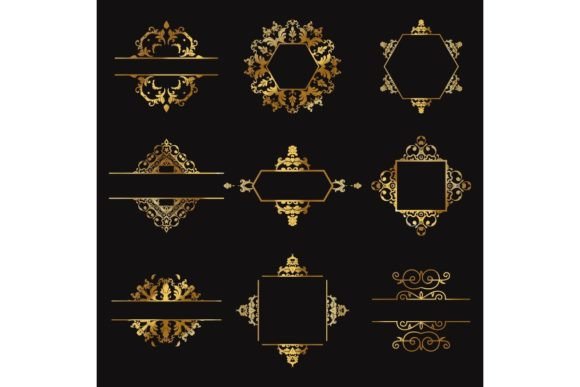
Decorative Gold Design Elements is a curated set of high-quality graphics designed to bring elegance and richness to any project. The package typically includes one vector EPS file and one high-resolution JPG image at 300 dpi. This combination ensures flexibility across different uses, from scalable web graphics to crisp print materials like posters, banners, and flyers.
The gold elements might feature intricate patterns, ornate borders, metallic textures, or minimalist accents – all aimed at complementing your designs without overwhelming them. These files are ideal for both beginners experimenting with visual appeal and professionals looking to streamline their workflow with ready-made premium assets.
Common Pitfalls When Choosing and Using Gold Design Elements
While decorative gold elements can elevate your work, there are several common mistakes people make when selecting or applying them. One such error is using too many gold components in a single design. Overdoing it can lead to cluttered layouts that lose their impact rather than gain it. For example, placing multiple gold frames, icons, and backgrounds on a flyer might confuse the viewer instead of drawing attention to key messages.
Another oversight is not considering the color contrast between the gold elements and the rest of the design. Gold doesn’t always stand out against warm tones like reds and oranges. If you pair it with similar hues, it can blend in and become invisible. Always test how well the gold elements pop against your chosen background before finalizing your layout.
Misunderstanding File Formats and Their Uses
A significant mistake occurs when users don't understand the difference between the EPS vector file and the JPG image. The EPS file is perfect for projects requiring resizing, such as logos or website headers. However, if you use it incorrectly (e.g., exporting as low resolution), it may appear pixelated. Conversely, the JPG file is best suited for fixed-size outputs like printed flyers or social media posts but isn’t ideal for scaling up without losing quality.
Failure to choose the right format for your purpose can result in poor visual outcomes and wasted time. Before downloading, ask yourself whether you need scalability or just a static image. Knowing this will help you select the correct file and use it appropriately.
How to Avoid These Mistakes and Maximize Impact
To ensure your use of Decorative Gold Design Elements is effective, start by defining the role each element plays in your design. Is it meant to highlight a headline? Frame an image? Or simply add texture to a background? Once you have clarity on the function, you can avoid overcomplicating the layout.
Use the EPS file for editable, scalable parts of your design. This format allows you to modify shapes, colors, and sizes without degrading the image quality. Save the JPG file for situations where you need a finished, polished look that won’t be altered much after placement. Both formats should be treated as complementary tools rather than interchangeable ones.
Better Approaches for Beginners and Professionals
If you're new to design software, consider starting with the JPG version to get a feel for how the elements look within a composition. As you gain confidence, move on to the EPS file for more customization. For instance, when creating a wedding invitation, the JPG might work well for the border while the EPS could be used to edit the floral accents around the text.
Professionals should integrate gold elements strategically. Think about hierarchy – what needs to stand out most? Use gold sparingly on those key areas. Also, keep in mind the cultural context; gold is often symbolic and can convey different meanings depending on the audience and region.
What to Check Before Making a Purchase or Download
Before buying or downloading Decorative Gold Design Elements, verify the following:
- Resolution and Format: Ensure the JPG is suitable for your intended output size and that the EPS works with your design software.
- Licensing: Confirm whether the elements are royalty-free or require attribution, especially if you're planning commercial use.
- Compatibility: Test the files in your preferred program (like Adobe Illustrator or Photoshop) to avoid technical issues later.
- Style Consistency: Make sure the gold elements match the overall aesthetic of your project. Mixing modern and traditional styles can create a disjointed look.
Many creators overlook licensing details, only to find themselves in legal trouble later. Always read the fine print or reach out to the seller for clarification if something isn’t clear.
Real-World Examples of Effective Use
Imagine you’re a small business owner launching a luxury skincare line. Your product packaging needs to reflect exclusivity. By incorporating a subtle gold pattern from the Decorative Gold Design Elements set as a background texture, you instantly communicate quality and refinement without making the design feel gaudy.
Or picture a blogger designing a post for a holiday sale. Adding a gold ribbon graphic from the collection around the headline helps draw attention to the offer while maintaining a festive yet elegant tone. Here’s a better approach: use the gold ribbon as a divider between sections rather than as a full-frame accent.
For educators creating classroom materials, a gold border around a certificate template can give students a sense of achievement and professionalism. But remember to balance it with readable fonts and neutral colors so the focus remains on the content.
Why Choose Decorative Gold Design Elements?
There are countless free and paid design resources online, but Decorative Gold Design Elements stands out because of its thoughtful curation and high-quality output. Unlike generic stock graphics, these elements are designed with versatility in mind. They allow you to maintain control over your design process while still benefiting from professional-grade visuals.
Using these elements can also save you time and money. Instead of commissioning custom illustrations or spending hours creating gold accents manually, you can download, edit, and apply these elements efficiently. This efficiency is especially valuable for entrepreneurs and marketers who need consistent branding across multiple platforms.
Comparing with Other Resources
Some designers turn to generic clip art or poorly optimized images when they need a quick fix. While these might seem convenient, they often lack the polish and adaptability of Decorative Gold Design Elements. Poorly scaled images can look blurry or distorted, especially in print, which undermines your brand’s credibility.
Investing in a well-designed asset like this ensures your work looks cohesive and professionally produced. It’s not just about aesthetics – it’s about delivering a message effectively and leaving a lasting impression.
Final Thoughts on Smart Design Choices
Incorporating Decorative Gold Design Elements into your projects can be a game-changer when done thoughtfully. The key lies in understanding the purpose of each element, choosing the right format for your needs, and ensuring everything works together harmoniously.
By avoiding common pitfalls like overuse, incorrect file application, and poor contrast choices, you can unlock the full potential of these design assets. Remember to evaluate your goals before selecting elements, and always preview your work on the actual medium it will be used on – whether screen or print.
Ultimately, Decorative Gold Design Elements is more than just a pretty graphic – it's a strategic component in your design toolkit. Used wisely, it enhances communication, elevates presentation, and adds a touch of timeless elegance to your creative endeavors.