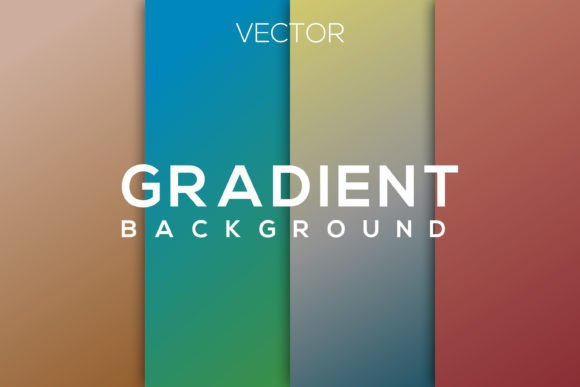
Gradient Vector Background Images
Gradient vector background images are a versatile and visually appealing design element that can elevate the look of websites, logos, digital art, and more. These backgrounds use smooth transitions between colors to create a dynamic and modern aesthetic. Whether you're a designer, developer, or someone looking for high-quality visuals, gradient vector backgrounds offer a range of benefits and applications.
What Are Gradient Vector Background Images?
Gradient vector background images are digital designs that combine color gradients with vector graphics. Unlike raster images, which are made up of pixels, vector graphics use mathematical formulas to define shapes and lines. This makes them scalable without losing quality, ideal for both digital and print use. When combined with gradients, these backgrounds can add depth, dimension, and visual interest to any project.
These backgrounds come in various styles, from simple two-color fades to complex multi-hued compositions. They are often used in web design, branding, and digital marketing to create a professional and cohesive look.
Why Different Audiences Care About Gradient Vector Backgrounds
Gradient vector backgrounds appeal to a wide range of users, each with unique needs and priorities. For example:
- Beginners: Those new to design may find gradient vector backgrounds easy to use and modify, especially when using pre-made templates.
- Professionals: Experienced designers might prefer custom gradients for specific projects, ensuring a unique and tailored look.
- Business Owners: Companies looking to enhance their brand identity may use gradient backgrounds for websites, social media, or marketing materials.
- Consumers: Individuals seeking high-quality wallpapers or decorative elements may choose gradient vector backgrounds for personal devices or home decor.
Each group values different aspects of gradient vector backgrounds, such as ease of use, quality, flexibility, or commercial viability.
How Different Users Might Use Gradient Vector Backgrounds
Understanding how different users approach gradient vector backgrounds can help you determine if they fit your needs. Here are some practical examples:
- Website Designers: May use gradient backgrounds to create visually engaging landing pages or to highlight key sections of a site. A gradient can draw attention to call-to-action buttons or differentiate content areas.
- Graphic Artists: Could incorporate gradient vectors into illustrations or digital paintings to add texture and depth. The ability to adjust colors and shapes makes these backgrounds highly customizable.
- Marketing Teams: Might use gradient backgrounds in social media posts, email campaigns, or advertisements to make content stand out and reflect brand colors effectively.
- Students and Educators: Could explore gradient vector backgrounds as part of design courses or creative projects, learning about color theory, composition, and digital tools.
Key Priorities When Choosing Gradient Vector Backgrounds
When evaluating gradient vector backgrounds, consider the following factors based on your goals:
- Quality: High-resolution files (such as 3000×2000 at 300 DPI) ensure clarity when printed or displayed on large screens.
- Flexibility: Vector formats allow for easy editing and scaling, making them suitable for multiple uses across platforms.
- Cost: Free options may be sufficient for personal use, while premium templates offer more advanced features and support.
- Speed and Reliability: Downloading and using ready-made backgrounds can save time compared to creating them from scratch.
- Creativity: Custom gradients can reflect individual style or brand identity, offering a unique visual signature.
For instance, a small business owner might prioritize affordability and ease of use, while a professional designer may focus on customization and high-quality output.
Practical Applications for Various User Types
Gradient vector backgrounds have numerous real-world applications. Here are a few examples:
- Web Developers: Can integrate gradient backgrounds into CSS or design tools like Figma or Adobe XD to enhance user experience and visual appeal.
- Freelancers: May use gradient backgrounds for client presentations, portfolios, or social media profiles to showcase their work professionally.
- Hobbyists: Could experiment with gradient vector backgrounds for digital art, photo editing, or personal projects, exploring different color combinations and effects.
- Print Professionals: Might use vector-based gradients for brochures, posters, or packaging, ensuring crisp and clear results when printed.
Whether you're working on a personal project or a professional assignment, gradient vector backgrounds can provide a polished and modern look.
Choosing the Right Gradient Vector Background for Your Needs
To determine if gradient vector backgrounds align with your goals, ask yourself the following questions:
- Do I need a background that looks good on both digital and print media?
- Am I looking for something that’s easy to edit or customize?
- Do I want a unique design or a pre-made template?
- Is the quality of the image important for my project?
- Am I willing to invest time in learning how to use vector tools?
If your answer is yes to most of these, gradient vector backgrounds could be a valuable addition to your toolkit.